

Blogs
Acrylic Sheets for Signage: Types, Thickness & Uses

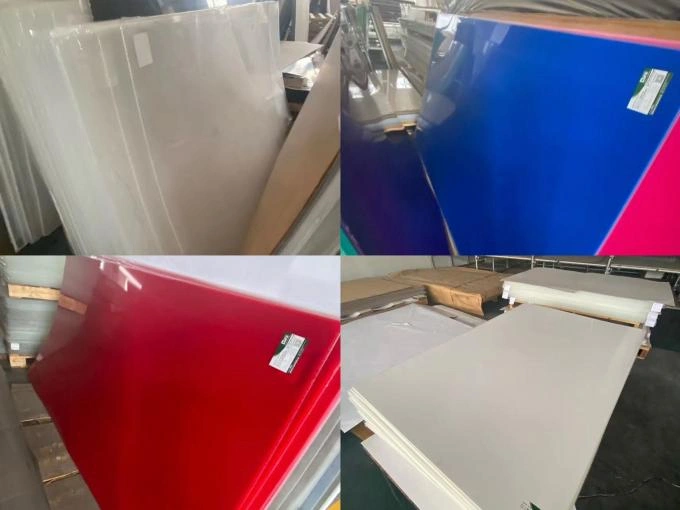
Acrylic sheets are one of the most popular materials used in the signage industry. From shop signs and 3D letters to light boxes and branding boards, acrylic is everywhere. Businesses prefer acrylic because it looks premium, lasts long, and works well with lighting.
This guide is written in simple and easy English. It answers common questions people usually ask when searching online about acrylic sheets for signage. You will learn what acrylic sheets are, their types, thickness options, and where they are commonly used. The content is written in a natural way so anyone can understand it easily.
What Are Acrylic Sheets?
Acrylic sheets are plastic sheets made from a material called PMMA. Many people also know acrylic as plexiglass. It looks similar to glass but is much lighter and stronger.
In signage, acrylic sheets are used because they:
- Look clean and glossy
- Are easy to cut and shape
- Work well with LED lights
- Are suitable for indoor and outdoor use
Acrylic is often chosen as a glass alternative because it is safer and more flexible for design work.
Why Acrylic Sheets Are Used in Signage
Signage needs materials that are strong, attractive, and long-lasting. Acrylic sheets meet all these needs.
Main benefits of acrylic sheets for signage include:
- High clarity and smooth finish
- Strong but lightweight
- Weather resistant
- Easy to fabricate
- Long life span
Because of these benefits, acrylic is widely used for commercial, retail, and corporate signage projects.
Types of Acrylic Sheets Used in Signage
There are different types of acrylic sheets available. Each type is used for specific signage needs.
1. Clear Acrylic Sheets
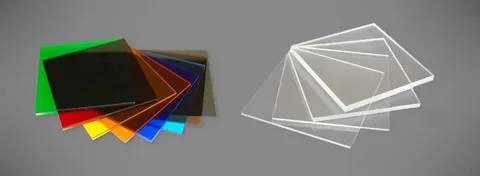
Clear acrylic sheets are transparent and look like glass. They are used when visibility and clarity are important.
Common uses:
- Office name plates
- Display cases
- Sign covers
- Protective panels
Clear acrylic gives a clean and professional look.
2. Colored Acrylic Sheets
Colored acrylic sheets come in many colors such as red, blue, black, green, and yellow. These sheets are used to match brand colors.
Common uses:
- Brand logos
- Decorative signs
- Indoor signage
- Retail branding
Colored acrylic helps create eye-catching designs.
3. Frosted Acrylic Sheets
Frosted acrylic sheets have a matte or milky finish. They allow light to pass through softly.
Common uses:
- Privacy signs
- Office partitions
- Light diffusers
- Decorative panels
They are often used where soft lighting is needed.
4. Opal Acrylic Sheets
Opal acrylic sheets are specially designed for illuminated signage. They spread light evenly and reduce hotspots.
A popular option is DST Acrylic Opal White, which is widely used in LED sign boards and light boxes.
Common uses:
- Backlit signs
- LED light boxes
- Channel letters
- Indoor illuminated signage
Opal acrylic is best when uniform lighting is required.
5. Mirror Acrylic Sheets
Mirror acrylic sheets look like mirrors but are lighter and safer than glass mirrors.
Common uses:
- Decorative signage
- Interior branding
- Wall designs
- Event signage
They add a premium and stylish look to signage.
Acrylic Sheet Thickness Options
Acrylic sheets are available in different thicknesses. Choosing the right thickness is important for strength and appearance.
Common Acrylic Thicknesses
- 2mm – 3mm: Used for small signs, name plates, and lightweight displays
- 4mm – 5mm: Used for medium-sized signage and indoor boards
- 6mm – 8mm: Used for 3D letters and premium signage
- 10mm – 20mm: Used for heavy-duty signs and outdoor installations
Thicker acrylic gives a stronger and more solid look.
How to Choose the Right Thickness
To choose the right acrylic thickness, consider:
- Size of the sign
- Indoor or outdoor use
- Lighting requirement
- Wind and weather exposure
For example, large outdoor signs need thicker acrylic compared to small indoor signs.
Uses of Acrylic Sheets in Signage
Acrylic sheets are very versatile. They are used in many types of signage projects.
1. 3D Letter Signage
Acrylic is commonly used to make 3D letters. These letters can be flat cut or built-up.
Benefits:
- Clean edges
- Premium look
- Suitable for LED lighting
Acrylic letters are often used for shop names and office branding.
2. LED Light Boxes
Light boxes need materials that spread light evenly. Opal acrylic sheets are perfect for this purpose.
They help:
- Reduce shadows
- Improve brightness
- Create smooth lighting
This makes signage more readable day and night.
3. Shop Front Signage
Many shop signs use acrylic sheets because they are weather resistant and long-lasting.
Uses include:
- Store name boards
- Brand logos
- Promotional signs
Acrylic keeps its color and finish for a long time.
4. Office and Corporate Signage
Corporate spaces use acrylic for a clean and professional look.
Examples:
- Reception signs
- Direction boards
- Department name plates
Clear and frosted acrylic are commonly used in offices.
5. Wayfinding and Direction Signs
Acrylic sheets are used to create direction signs in malls, hospitals, and airports.
They are:
- Easy to read
- Durable
- Simple to maintain
This helps people find their way easily.
6. Menu Boards and Display Panels
Restaurants and cafes use acrylic sheets for menu boards and display panels.
Advantages:
- Easy to clean
- Resistant to moisture
- Looks modern
Acrylic works well in food-related environments.
Acrylic Rods in Signage Projects
Apart from sheets, acrylic rods are also used in signage fabrication. DST Acrylic Rod products are commonly used for decorative and structural purposes.
Uses of acrylic rods include:
- Stand-offs for signs
- Decorative elements
- Support structures
- Display holders
Acrylic rods add strength and style to signage designs.
Acrylic vs Glass for Signage
Many people compare acrylic with glass. Acrylic is often the better choice for signage.
Acrylic Advantages Over Glass
- Lighter weight
- Stronger impact resistance
- Easier to cut and shape
- Safer to handle
Because of these reasons, acrylic is preferred in most signage projects.
Indoor vs Outdoor Acrylic Signage
Acrylic sheets can be used both indoors and outdoors.
Indoor Use
- Reception signs
- Office branding
- Decorative panels
Outdoor Use
- Shop signs
- Building signage
- Illuminated boards
For outdoor use, thicker acrylic with UV resistance is recommended.
Maintenance of Acrylic Signage
Acrylic signage is easy to maintain.
Cleaning tips:
- Use a soft cloth
- Avoid harsh chemicals
- Clean regularly to maintain shine
Proper care helps acrylic signs last longer.
Cost Effectiveness of Acrylic Sheets
Acrylic sheets offer good value for money. While the initial cost may be higher than some materials, the long life and low maintenance make it cost-effective.
Businesses save money because:
- Less replacement is needed
- No frequent repainting
- Long-lasting finish
Customization Options with Acrylic
Acrylic sheets are easy to customize.
They can be:
- Laser cut
- CNC routed
- Engraved
- Polished
- Painted
This flexibility allows creative signage designs.
Why Acrylic Is a Smart Choice for Signage
Acrylic sheets combine beauty, strength, and flexibility. They suit almost every type of signage project.
Key reasons to choose acrylic:
- Professional appearance
- Wide range of colors and finishes
- Suitable for lighting
- Long-lasting performance
The Main Points
Acrylic sheets play a very important role in modern signage. With different types, thickness options, and wide uses, acrylic is one of the best materials for both indoor and outdoor signs.
Whether you are using opal acrylic for light boxes, clear acrylic for office signs, or DST Acrylic Rod for support and decoration, acrylic provides reliable and attractive results.
Choosing the right acrylic sheet thickness and type will help your signage look better, last longer, and represent your brand in the best way possible.