
Blogs
Top Textile Printing Technologies for Modern Businesses

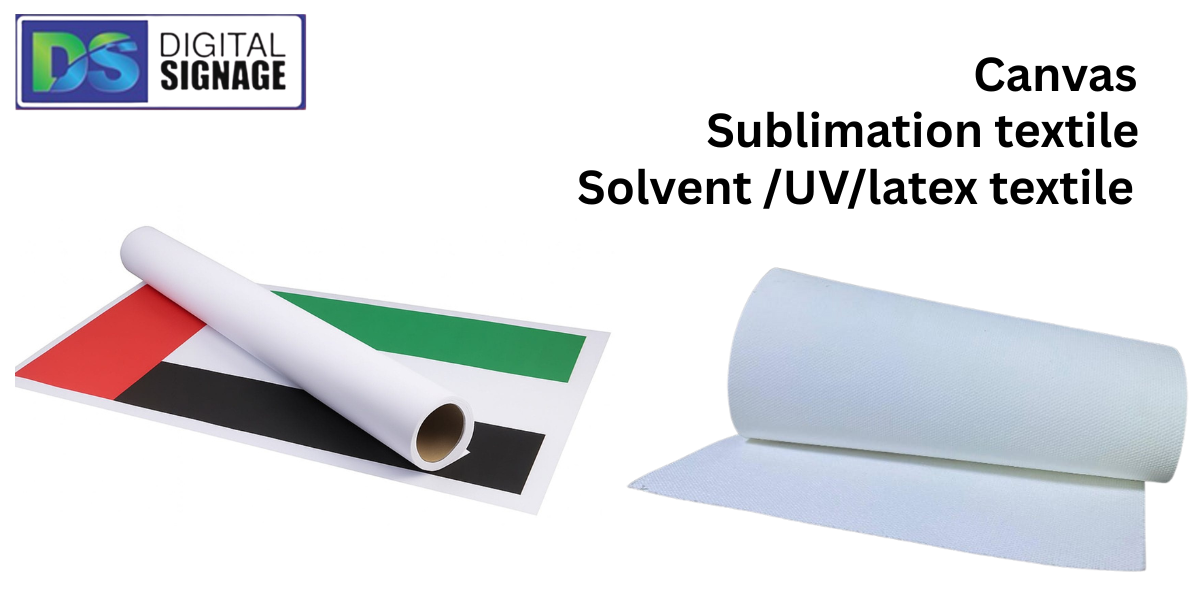
Sublimation textile, Solvent/UV/Latex textile and Canvas
In today modern printing industry textile printing has become extremely important. From fashion and interior decoration to advertising branding and corporate identity the demand for high quality textile prints is continuously increasing. Customers no longer focus only on design they also expect durability color accuracy and premium finishing. In this blog we will discuss sublimation textile printing solvent / UV / latex textile printing and canvas printing in detail. All three technologies are widely used and each serves different needs budgets and applications.
Choosing the right textile printing technology is critical because the wrong selection can increase costs and fail to deliver the expected results. The purpose of this blog is to give you a clear understanding of which option best suits your specific requirements.
Sublimation Textile Printing
Sublimation textile printing is an advanced digital printing process in which special sublimation inks are permanently absorbed into the fabric using heat and pressure. The biggest advantage of this process is that the print becomes part of the fabric rather than forming a layer on the surface. As a result, issues like cracking peeling or fading do not occur.
Sublimation textile printing is considered an ideal solution for sportswear activewear and promotional garments. Athletes and brands require printing that remains breathable and maintains quality even after repeated washing and sublimation perfectly meets these requirements.
When discussing sublimation textile printing color vibrancy and durability come first. This method produces bright sharp colors that do not fade over time making it highly suitable for long term branding. Sublimation works best on polyester based fabrics which is why its demand continues to grow in the fashion and sports industries.
Sublimation textile printing is also commonly used for advertising banners flags and exhibition graphics. Lightweight fabric smooth texture and wrinkle free finishing make this technology even more popular. For indoor displays and soft signage sublimation textile offers a premium and professional appearance. If you require long term usage flexibility and high end finishing sublimation textile is a strong option.
Solvent / UV / Latex Textile Printing
Solvent, UV, and latex textile printing offer a highly versatile and powerful solution suitable for a wide range of fabrics. This technology is mainly used for projects where durability and weather resistance are essential. Solvent UV and latex inks can easily withstand water sunlight and harsh environmental conditions.
For outdoor advertising, solvent / UV / latex textile printing is especially suitable. It is widely used for billboards backdrops stage graphics event branding and large format displays. One of the biggest advantages of this printing method is its ability to perform well on cotton polyester and blended fabrics.
UV printing technology provides instant curing which significantly increases production speed. Latex inks are eco friendly, odor free and safe for indoor environments. This makes solvent / UV / latex textile printing a preferred choice for shopping malls offices and retail spaces.
This printing method is also widely used for retail branding wall coverings and exhibition stalls. It delivers sharp details deep blacks and rich colors that enhance brand visibility. If you need a reliable solution for both indoor and outdoor applications solvent / UV / latex textile printing is an excellent choice.
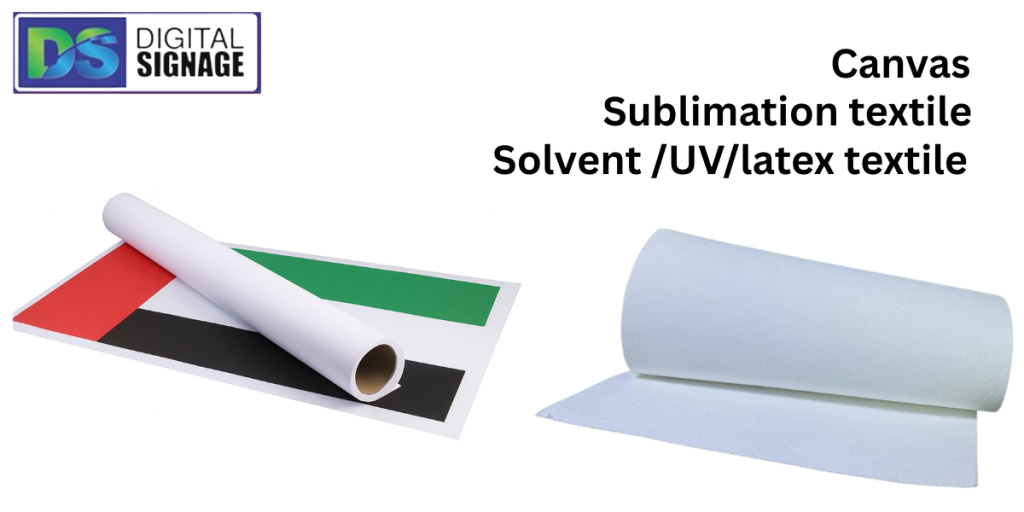
Canvas Printing
Canvas printing is extremely popular in the artistic and decorative world. It is commonly used for photo frames wall art paintings and interior decor. The natural texture of canvas provides a premium and artistic look that enhances any image.
Printing is rapidly gaining popularity in home decor and office interiors. People print personal photos artwork and custom designs on Print to create a unique and elegant wall appearance. Durability is a key feature of Printing as it maintains its beauty over time.
Printing is widely used in museums art galleries and exhibitions because it offers a glare free surface. High resolution images and fine details appear exceptionally clear on which is why professional photographers often prefer displaying their work in this format. Printing is also a creative option for commercial branding. Offices cafes hotels and restaurants frequently display motivational quotes and brand visuals on Printing to create a warm and premium environment. For this reason printing is considered a timeless and versatile solution.
Comparison and Making the Right Choice
When comparing sublimation textile solvent / UV / latex textile and printing each technology has its own strengths. Sublimation textile is ideal for fashion sportswear and soft signage. Solvent / UV / latex textile is well known for durability flexibility and outdoor resistance. Printing on the other hand is perfect for artistic decorative and interior focused projects.
Business owners and brands should carefully evaluate their requirements, budget and usage environment before making a decision. If wash resistance and comfort are priorities sublimation textile is the best choice. If weather resistance and long lasting performance are required solvent / UV / latex textile is ideal. For luxury decor and artistic presentation is the most suitable option.
Future Trends
In the coming years the demand for sublimation textile and solvent / UV / latex textile printing is expected to grow further due to strong trends in sustainability customization and fast production. Brands are increasingly focusing on eco friendly inks and reusable materials where these technologies perform exceptionally well.
Similarly printing continues to grow in popularity for personalized artwork corporate gifting and interior design. As technology advances materials and inks are improving making sublimation textile solvent / UV / latex textile more efficient durable and cost effective. Together these three solutions are shaping the future of the textile printing industry.