

Blogs
Zig Zag LED Strips: What Makes Them Special

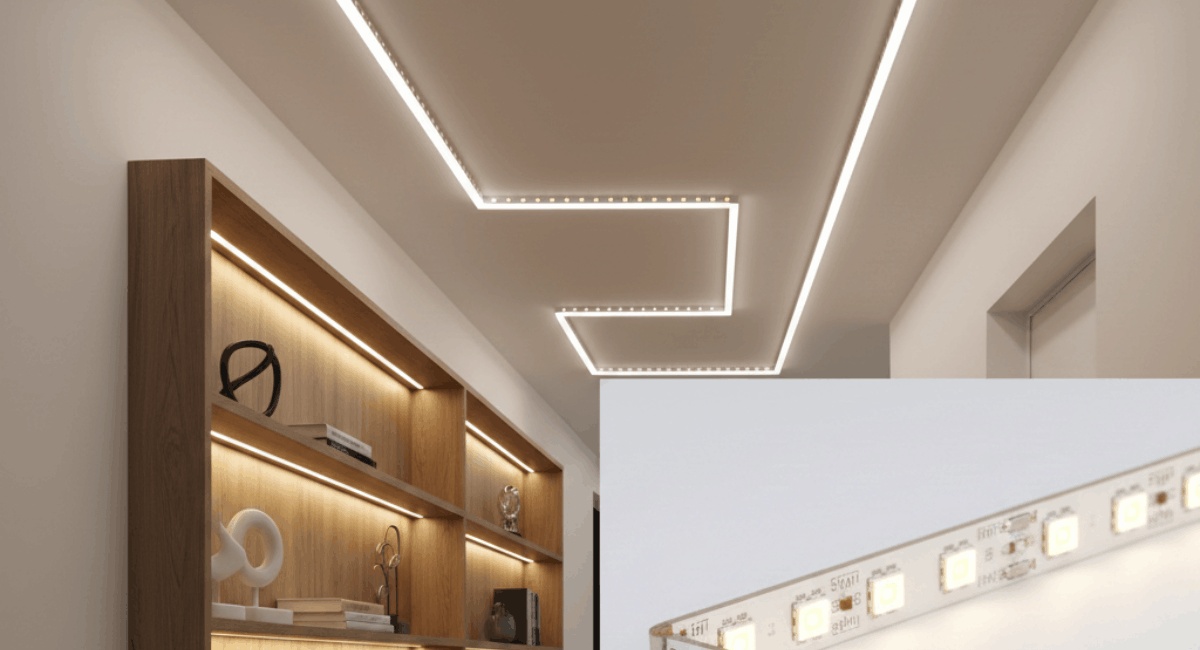
Lighting has changed a lot in the last few years. Earlier, we only used lights to see clearly. Now, lights are also used for beauty, mood, branding, and design. One lighting product that is becoming very popular is zig zag LED strips.
Many people ask:
- What are zig zag LED strips?
- How are they different from normal LED strips?
- Are they good for home, shops, or signs?
- Are they worth the money?
What Are Zig Zag LED Strips?
Zig zag LED strips are flexible LED light strips designed in a zig zag or wave shape instead of a straight line. This special shape allows the strip to bend easily in different directions without breaking or damaging the circuit.
Unlike normal LED strips that bend only sideways, zig zag LED strips can:
- Turn sharp corners
- Follow curved shapes
- Fit into custom designs
Because of this, they are widely used in signage, decorative lighting, logos, and creative designs.
Why Zig Zag LED Strips Are Different from Regular LED Strips
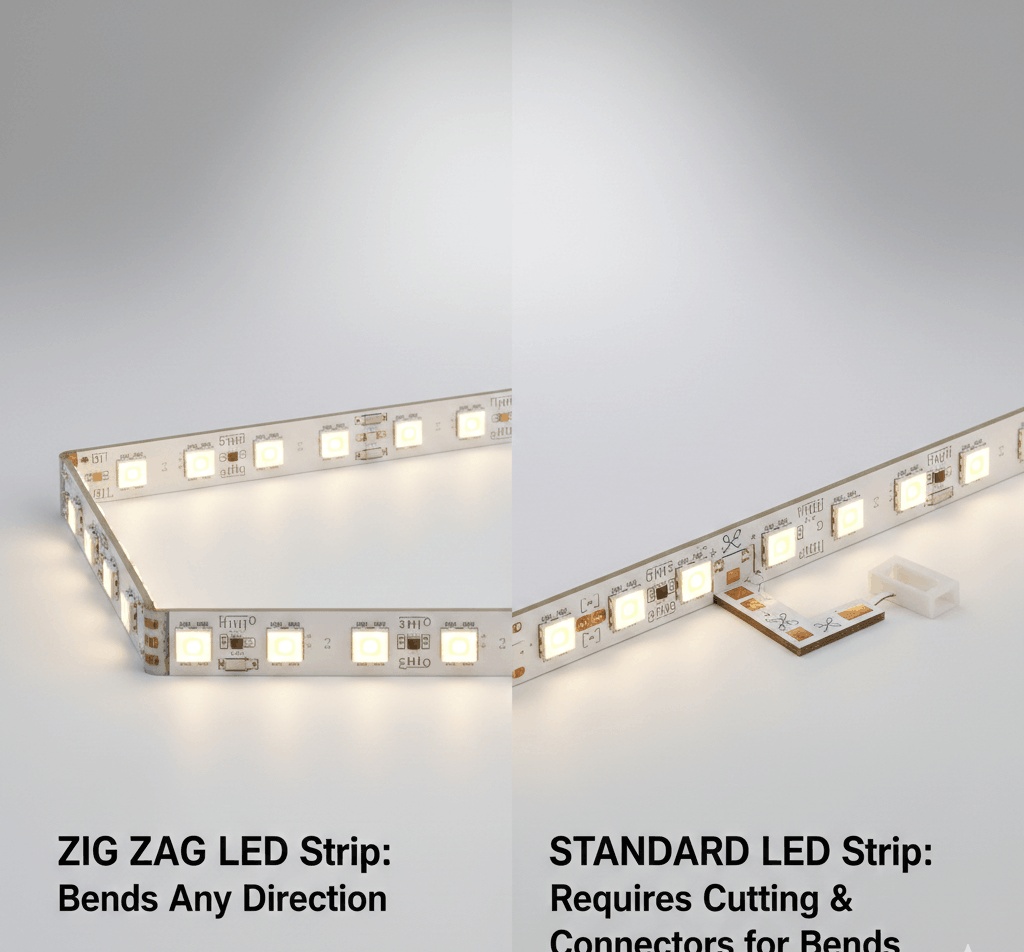
The biggest difference is flexibility.
Regular LED Strips:
- Bend in one direction only
- Not good for tight curves
- Can break if forced
Zig Zag LED Strips:
- Bend left, right, up, and down
- Perfect for curves and shapes
- Last longer in custom designs
This makes zig zag LED strips ideal when straight lighting just doesn’t look right.
My Personal Experience Using Zig Zag LED Strips
When I first used zig zag LED strips for a custom sign project, I honestly didn’t expect a big difference. I thought a normal LED strip would do the job.
But once I installed it, the difference was clear.
The sign had curved letters, and normal LED strips looked uneven and messy. After switching to zig zag LED strips:
- The light followed the letter shape perfectly
- No dark spots appeared
- Installation became much easier
- The final look was clean and professional
Since then, I always recommend zig zag LED strips for logos, signs, and creative lighting work.
Where Zig Zag LED Strips Are Commonly Used
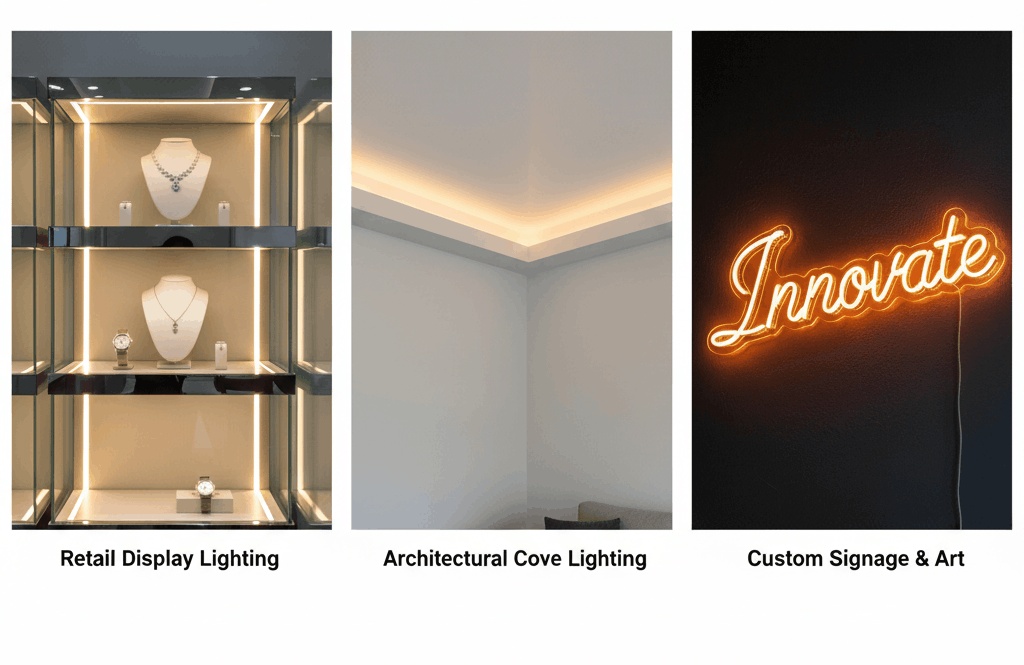
Zig zag LED strips are used in many places because of their design freedom.
1. Signage and Logo Lighting
They are perfect for:
- Shop signs
- Brand logos
- 3D letters
- Acrylic signage
They give even lighting without shadows or breaks.
2. Interior Decoration
People use them in:
- False ceilings
- Wall designs
- Stair lighting
- Decorative panels
3. Commercial Spaces
Used in:
- Shopping malls
- Restaurants
- Cafes
- Showrooms
They help create a modern and attractive look.
4. Outdoor Applications
With waterproof versions, zig zag LED strips work well for:
- Outdoor signs
- Building outlines
- Event lighting
They are often combined with Led outdoor display systems for branding and visibility.
Zig Zag LED Strips for Warm and Soft Lighting
Many people think zig zag LED strips are only for bright or colorful lighting. That’s not true.
They also work beautifully with LED Strip Warm White lighting.
Warm white zig zag LED strips are ideal for:
- Homes
- Hotels
- Living rooms
- Bedrooms
- Restaurants
They give a soft, cozy feel while still offering design flexibility.
How Zig Zag LED Strips Improve Light Quality
One big advantage is even light distribution.
Because the strip follows the shape smoothly:
- No dark corners
- No harsh breaks
- No uneven brightness
This is very important in signage and decorative lighting where appearance matters more than brightness alone.
Power Consumption and Energy Efficiency
Zig zag LED strips are:
- Energy efficient
- Low power consuming
- Long-lasting
Just like standard LED strips, they use very little electricity compared to traditional lights.
This makes them suitable for long working hours, especially in shops and commercial places.
Are Zig Zag LED Strips Easy to Install?
Yes, but with some care.
Installation Tips:
- Measure the design properly
- Use the right power supply
- Avoid over-bending at one point
- Use proper mounting clips or channels
From my experience, installation becomes easier than normal LED strips when working with curves.
Zig Zag LED Strips for Creative Designs
Designers love zig zag LED strips because they:
- Support free-flow designs
- Match modern architecture
- Look premium and stylish
They are often used in:
- Custom wall art
- Brand installations
- Creative ceilings
When combined with dimmers and controllers, they create stunning visual effects.
Indoor vs Outdoor Zig Zag LED Strips
Indoor Zig Zag LED Strips:
- Lower IP rating
- Used for decoration
- Available in warm white, cool white, RGB
Outdoor Zig Zag LED Strips:
- Waterproof (IP65 or higher)
- UV resistant
- Used with signage and Led outdoor display setups
Always choose the correct type based on usage.
Common Questions People Ask About Zig Zag LED Strips
Are zig zag LED strips durable?
Yes, if you buy good quality ones and install them properly.
Can they be cut?
Most zig zag LED strips have cut points, but always follow manufacturer instructions.
Do they get hot?
No, they produce very little heat compared to traditional lights.
Are they expensive?
They cost slightly more than normal LED strips, but the results are worth it.
Maintenance and Lifespan
Zig zag LED strips usually last:
- 30,000 to 50,000 hours
- Even longer with proper cooling
Maintenance is minimal:
- Keep them clean
- Check connections once in a while
Why Zig Zag LED Strips Are Perfect for Modern Lighting
Modern spaces need:
- Clean design
- Smooth lighting
- Flexible solutions
Zig zag LED strips meet all these needs. They allow creativity without compromising quality.
Mistakes to Avoid When Using Zig Zag LED Strips
From experience, avoid:
- Using cheap power supplies
- Overstretching the strip
- Installing without planning
- Ignoring heat dissipation
Good planning always gives better results.
Zig Zag LED Strips vs Neon Flex
Many people confuse zig zag LED strips with neon flex.
Zig Zag LED Strips:
- Brighter
- More flexible in design
- Easy to repair
Neon Flex:
- Soft glow
- Limited bending
- Harder to fix
For signage and sharp designs, zig zag LED strips are usually the better choice.
Best Places to Use Warm White Zig Zag LED Strips
Warm white versions look best in:
- Homes
- Restaurants
- Cafes
- Hotels
- Luxury interiors
They create comfort and elegance at the same time.