

Blogs
Backlit Flexface Materials Explained

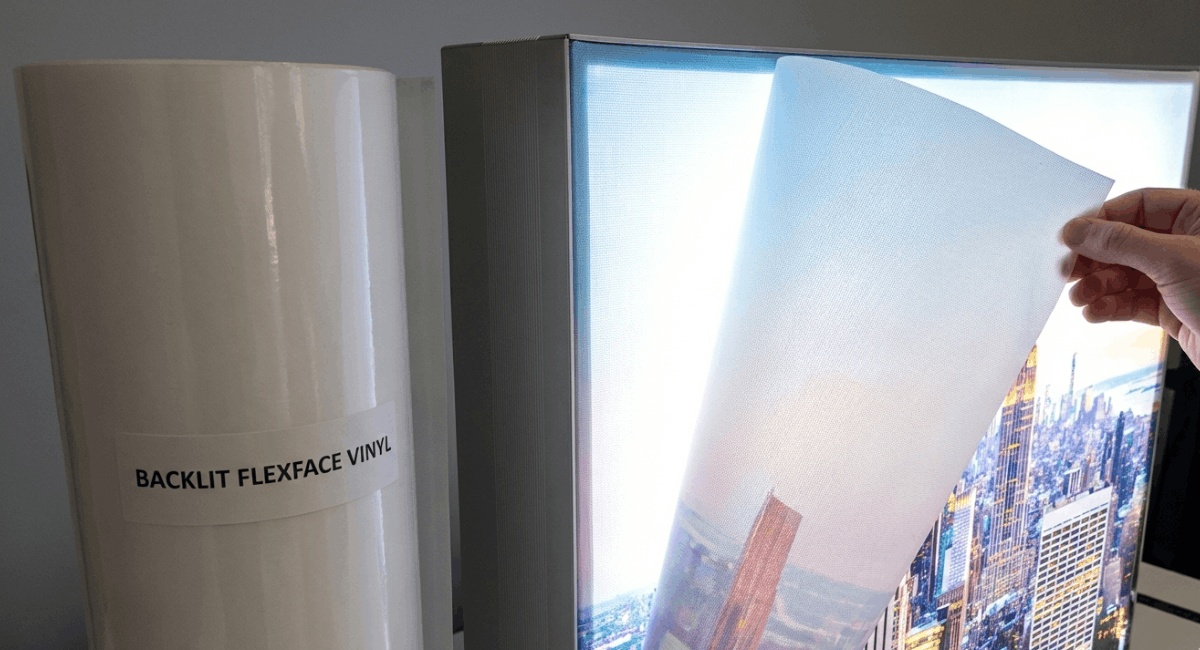
Backlit flexface signage is one of the most powerful tools used in modern advertising and branding. You see it every day on shops, malls, airports, roadsides, and commercial buildings. These signs stand out because they glow evenly at night and stay clear during the day. But many people still ask simple questions like: What is backlit flexface material? How does it work? Which material is best? How long does it last?
This guide explains backlit flexface materials in very easy and natural English. It is written to answer real questions people ask when they want to understand flexface signage. Everything is explained clearly, without hard words, so anyone can read and understand it easily.
What Is Backlit Flexface Material?
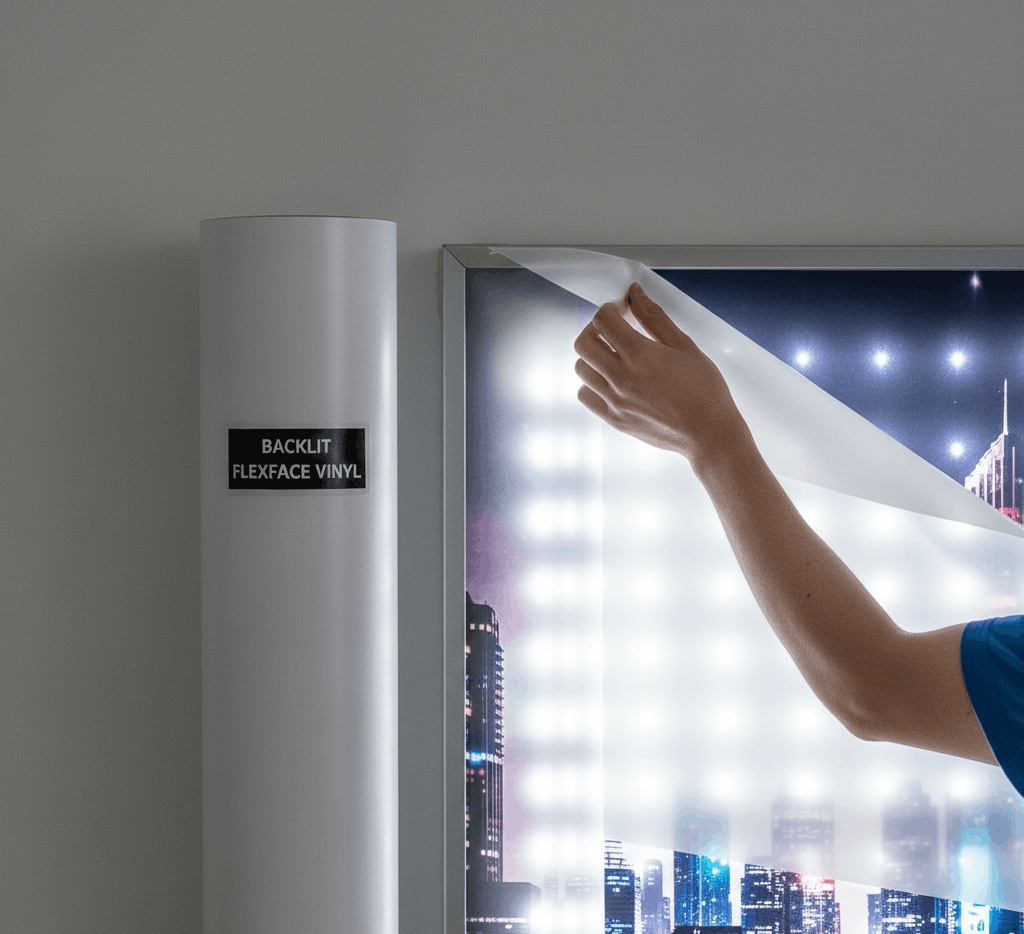
Backlit flexface material is a flexible sheet used for illuminated signboards. Light is placed behind the material, which makes the design glow from the back. This is why it is called backlit.
The material allows light to pass through evenly, so text, logos, and images look bright and clear at night. During the day, the printed design still looks sharp and colorful.
Backlit flexface is mostly used with LED lighting systems because LEDs give strong light, save energy, and last longer.
Why Backlit Flexface Signage Is So Popular
Businesses want signs that people can see easily, both day and night. Backlit flexface signs solve this problem very well.
Here are some simple reasons why they are so popular:
- High visibility at night
- Clear branding and colors
- Affordable compared to many other signage options
- Easy to install and replace
- Works well with LED lights
Because of these benefits, backlit flexface signage is widely used for shops, showrooms, restaurants, petrol pumps, malls, and outdoor advertising.
How Backlit Flexface Signage Works
The working process is simple.
First, a design is printed on a special flex material. Then this material is stretched tightly over a metal or aluminum frame. LED lights are installed behind the flex sheet inside the frame.
When the lights turn on, they shine through the flex material. The ink and coating on the material control how the light passes through, making sure the glow is smooth and even.
Good quality materials and proper lighting placement are very important. They help avoid dark spots, shadows, or uneven brightness.
Types of Backlit Flexface Materials
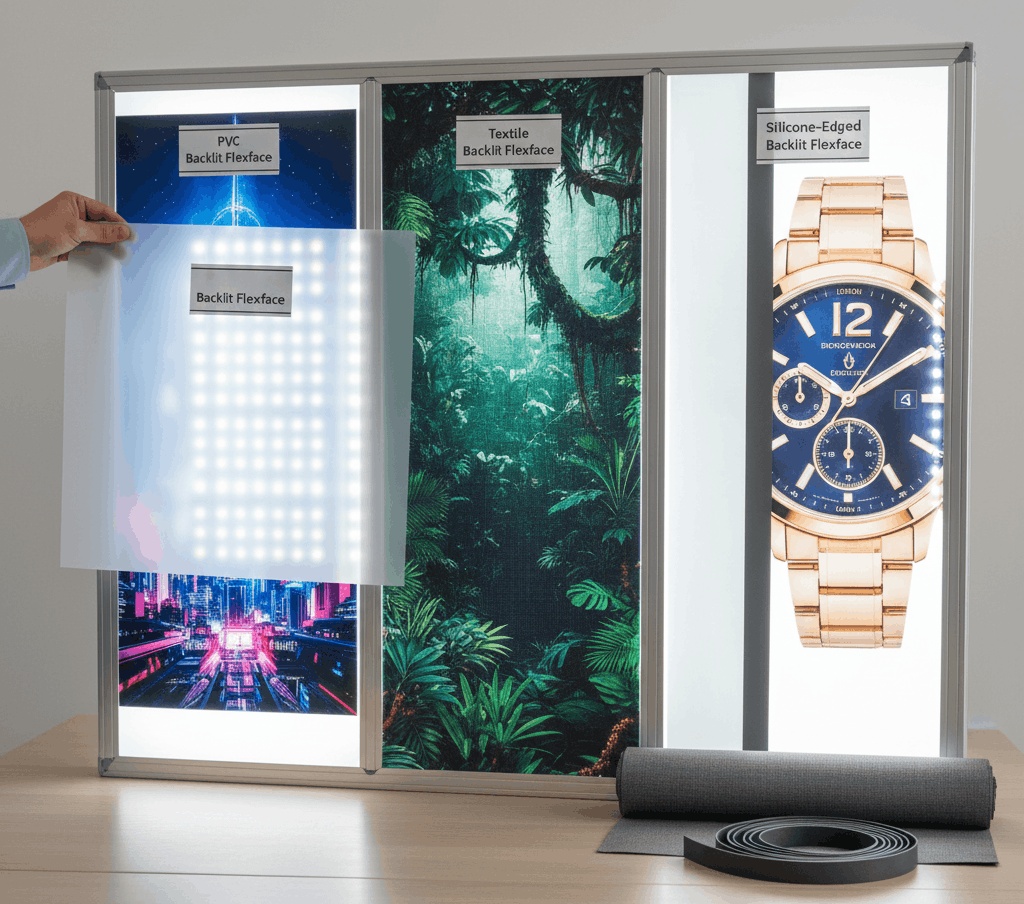
Not all backlit flex materials are the same. Different types are used based on quality, durability, and budget.
PVC Backlit Flex
PVC backlit flex is the most commonly used material. It is flexible, durable, and works well for both indoor and outdoor signage.
It gives good light diffusion and supports high-quality printing. This makes it suitable for shop signs and billboards.
Fabric and Textile Backlit Materials
Textile-based backlit materials are becoming more popular in modern signage. These materials give a softer and more premium look.
One popular option is GSM Backlit Textile, which is known for even light spread, smooth surface, and wrinkle-free finish. It is often used in malls, exhibitions, and indoor branding where quality matters the most.
Eco-Friendly Backlit Materials
Some businesses prefer eco-friendly materials that are recyclable and safe for indoor use. These materials support sustainability while still offering good lighting performance.
What Is GSM in Backlit Flex Materials?
GSM means grams per square meter. It tells you how thick and strong the material is.
Higher GSM usually means:
- Better durability
- Less chance of tearing
- More even light diffusion
- Longer life
Choosing the right GSM depends on where the sign will be used. Outdoor signs usually need higher GSM, while indoor signs can work well with medium GSM materials.
Importance of Light Diffusion
Light diffusion is one of the most important features of backlit flexface materials.
Good diffusion means the light spreads evenly across the whole sign. Poor diffusion causes bright spots, dark areas, and uneven glow.
High-quality backlit materials are specially coated to control how light passes through them. This makes the design look professional and attractive.
Printing Quality and Backlit Flexface
Printing plays a big role in how a backlit sign looks.
Most backlit flexface designs are printed using Digital media printing, which allows high resolution, sharp text, and vibrant colors.
Special inks are used for backlit printing. These inks are designed to look bright when light passes through them and not fade easily over time.
Good printing ensures:
- Clear logos and text
- Accurate brand colors
- Long-lasting visual quality
Indoor vs Outdoor Backlit Flexface
Backlit flexface materials are used in both indoor and outdoor environments, but requirements are different.
Indoor Backlit Flexface
Indoor signs focus more on design quality and smooth lighting. They are protected from weather, so lighter materials can be used.
Common indoor uses include malls, retail stores, offices, and exhibitions.
Outdoor Backlit Flexface
Outdoor signs need strong materials that can handle sun, rain, wind, and dust.
Outdoor backlit flexface materials are UV-resistant, waterproof, and more durable. Proper frame support and sealing are also very important.
LED Lighting for Backlit Flexface
LED lights are the best choice for backlit flexface signage.
They provide bright light, consume less power, and produce less heat. This helps protect the flex material and extend its life.
LED modules are placed evenly behind the flexface to avoid shadows and dark areas. Correct spacing and layout are key for perfect illumination.
Frame and Structure Matters
The frame holds the flex material and lighting system together.
Aluminum frames are commonly used because they are lightweight, rust-free, and strong. The flex material is stretched tightly to avoid wrinkles.
A good frame ensures:
- Long-lasting signage
- Smooth surface
- Easy maintenance
Where Backlit Flexface Is Commonly Used
Backlit flexface signage is used in many places, including:
- Retail shop signboards
- Shopping malls
- Supermarkets
- Restaurants and cafes
- Petrol stations
- Airports and metro stations
- Outdoor billboards
- Commercial buildings
Its flexibility and visibility make it suitable for many industries.
Cost and Budget Considerations
Backlit flexface signage is cost-effective compared to many other illuminated signs.
The total cost depends on:
- Material type and GSM
- Printing quality
- Size of the sign
- LED lighting quality
- Installation method
Choosing the cheapest option may save money at first but can reduce life and appearance. Good materials offer better value over time.
Maintenance and Cleaning
Backlit flexface signage is easy to maintain.
Regular cleaning with a soft cloth helps remove dust and pollution. Avoid harsh chemicals that can damage the print or surface.
If the flexface gets damaged, it can be replaced without changing the whole frame. This makes maintenance simple and affordable.
Common Problems and How to Avoid Them
Some common issues include uneven lighting, color fading, and material sagging.
These problems can be avoided by:
- Using high-quality backlit materials
- Choosing the right GSM
- Proper LED placement
- Professional installation
Planning and quality control make a big difference.
Backlit Flexface vs Other Signage Types
Compared to acrylic signs, neon signs, and lightboxes, backlit flexface offers more flexibility in size and design.
It is lighter, easier to install, and more budget-friendly. This is why it is often preferred for large signboards and outdoor advertising.
Design Tips for Better Results
Simple designs work best for backlit flexface signage.
Use bold fonts, high contrast colors, and clear logos. Avoid too much text, as it can reduce visibility from a distance.
Good design improves readability and brand impact.
Future of Backlit Flexface Materials
Backlit flexface materials continue to improve with better coatings, eco-friendly options, and advanced printing technology.
As LED lighting becomes more efficient, backlit signage will remain a strong choice for businesses that want visibility and value.
Final Part
Backlit flexface materials are a smart and reliable solution for illuminated signage. They offer strong visibility, flexible design, and cost-effective performance.
By choosing the right material, GSM level, printing method, and lighting system, businesses can create signs that attract attention and last for years.
When combined with modern solutions like GSM Backlit Textile and high-quality Digital media printing, backlit flexface signage becomes a powerful tool for branding and communication.