

Brand
- Request a quote
Reach out to us today and get expert guidance for all your signage and printing requirements.

Aluminum Channelume
AED152.25 – AED420.00Price range: AED152.25 through AED420.00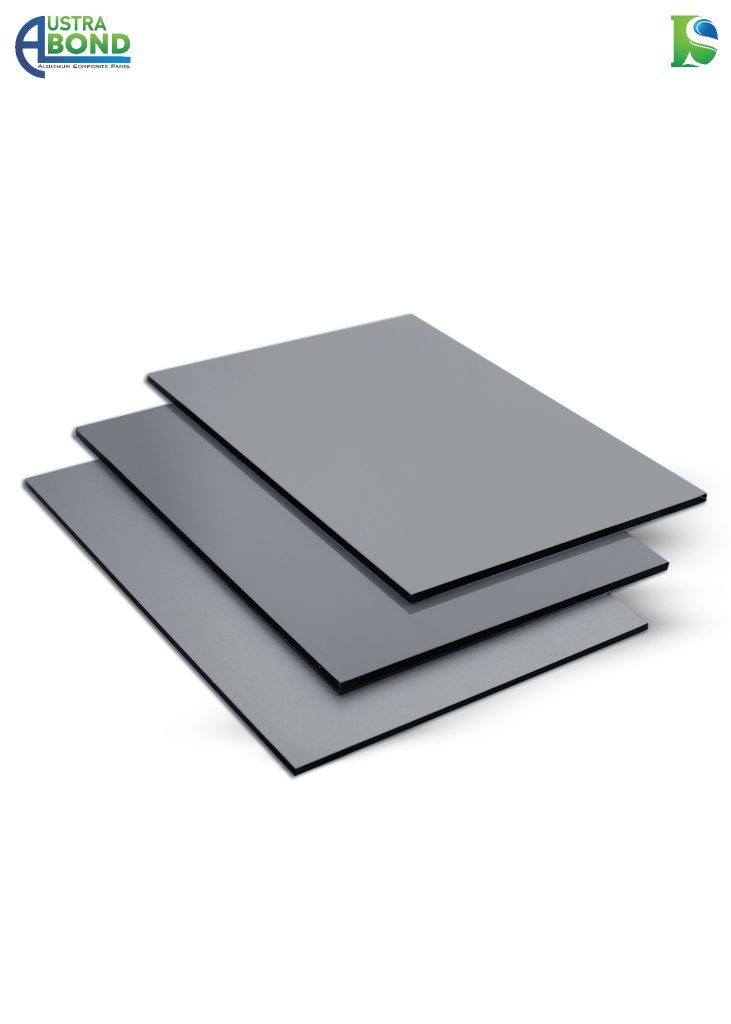
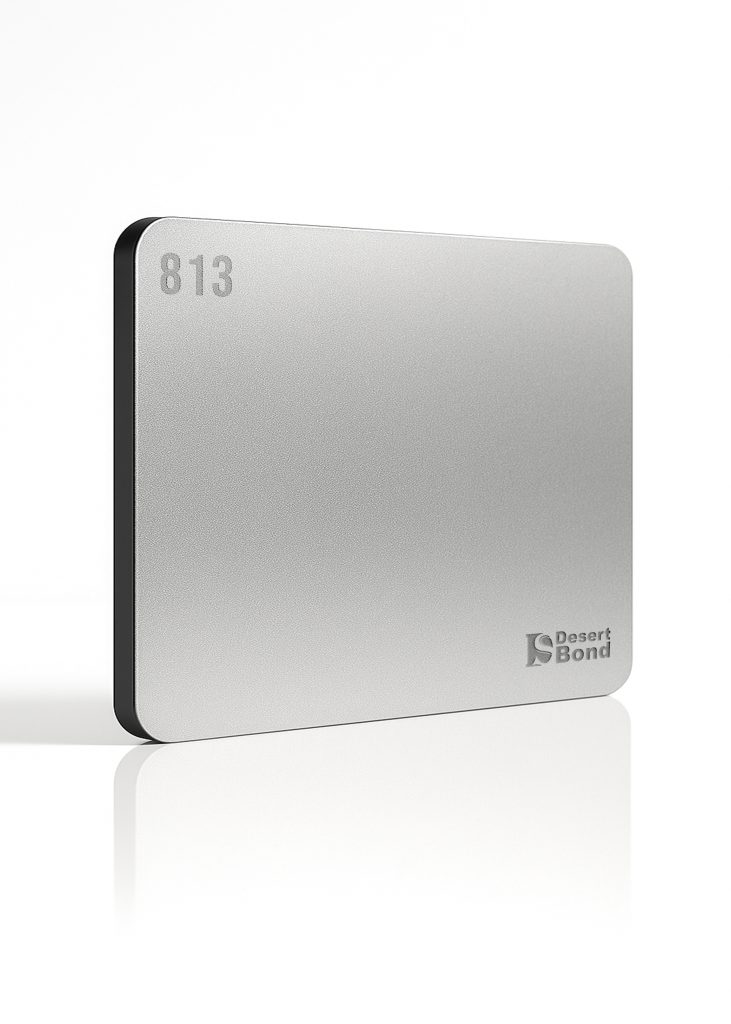
DesertBond Aluminum Composite Panel Sheets Type A
AED110.00 – AED136.00Price range: AED110.00 through AED136.00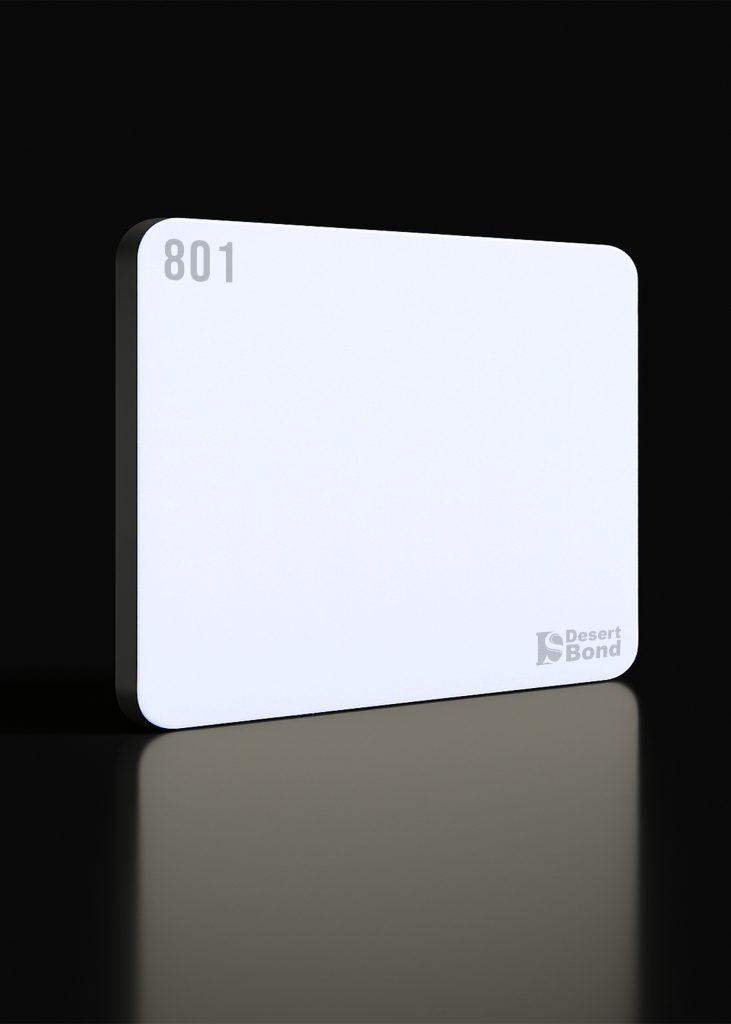
DesertBond Aluminum Composite Panel Sheets Type B
AED100.00 – AED215.00Price range: AED100.00 through AED215.00ACP Panel Solutions for Retail, Construction, and Signage
Aluminium Composite Panels (ACP) have become one of the most trusted materials for modern retail, construction, and signage projects because they combine durability, lightweight performance, and an attractive finish. Their smooth surface, excellent weather resistance, and ease of fabrication make them a preferred choice for architects, sign manufacturers, interior designers, and contractors across Dubai, Abu Dhabi, Sharjah, and the UAE. From commercial buildings and shopping malls to office interiors and retail storefronts, ACP panels deliver a clean, professional appearance while providing long-lasting performance.
Built for Modern Commercial Applications
ACP panels consist of two aluminium sheets bonded to a durable core, creating a strong yet lightweight material that is easy to transport, fabricate, and install. Unlike solid aluminium, ACP offers greater flexibility for fabrication while maintaining excellent structural stability. It can be cut, routed, folded, drilled, and bent into custom shapes, making it suitable for everything from illuminated signage and reception counters to architectural facades and decorative wall features.
Businesses looking for a reliable Aluminium Composite Panels Supplier UAE can benefit from premium-quality panels available in different thicknesses, colours, and finishes to meet various commercial and architectural requirements.
The Preferred Choice for Signage
The signage industry depends heavily on ACP because it provides a perfectly smooth and durable surface for vinyl graphics, UV printing, acrylic letters, LED signage, wayfinding systems, and branding displays. Whether installed on shopfronts, office buildings, hotels, hospitals, restaurants, or exhibition stands, ACP creates a modern appearance while maintaining excellent resistance to weather and everyday wear. Its lightweight design also reduces installation time without compromising strength, making it one of the most practical materials for indoor and outdoor signage.
Ideal for Construction and Architectural Cladding
Modern construction projects frequently incorporate ACP for exterior facades, wall cladding, ceiling features, column covers, balconies, canopies, partitions, and decorative architectural elements. Its resistance to corrosion, moisture, UV exposure, and temperature changes makes it particularly suitable for the demanding climate of the UAE. Commercial buildings, shopping centres, airports, educational institutions, and residential developments use ACP to achieve a contemporary appearance while benefiting from a material that requires minimal maintenance over its lifespan.
Available in a Wide Range of Colours and Finishes
ACP panels are available in numerous colours and decorative finishes to suit different architectural and branding requirements. Standard solid colours remain popular for corporate signage and commercial buildings, while metallic, brushed, mirror, wood grain, stone-effect, and matte finishes allow designers to create distinctive visual concepts. High-quality coatings ensure colour consistency, long-term durability, and resistance to fading, helping buildings and signs maintain their premium appearance for years.
Easy Fabrication for Custom Projects
One of the biggest advantages of ACP is its fabrication flexibility. Using CNC routing, laser cutting, folding, grooving, drilling, and precision finishing, manufacturers can produce custom signage, exhibition displays, reception desks, kiosks, retail fixtures, architectural panels, and branded environments with exceptional accuracy. ACP also integrates seamlessly with aluminium profiles, acrylic materials, LED lighting, and modern mounting systems, making it a versatile solution for both small and large commercial projects.
For businesses seeking premium Aluminum Composite Panel Sheets, choosing high-quality materials ensures smooth fabrication, reliable structural performance, and professional results across signage, interior fit-outs, and exterior cladding applications.
Why ACP Panels Remain the Industry Standard
As retail spaces, commercial buildings, and architectural projects continue to embrace modern design, ACP remains one of the most reliable materials available. Its combination of lightweight construction, excellent durability, weather resistance, design flexibility, and premium finish makes it suitable for a wide range of applications. From luxury retail stores and corporate offices to shopping malls, hotels, healthcare facilities, and public buildings, ACP panels continue to provide dependable performance while delivering clean, contemporary aesthetics throughout Dubai and the UAE.