

Blogs
What Is Signage Material? Complete Buyer Guide

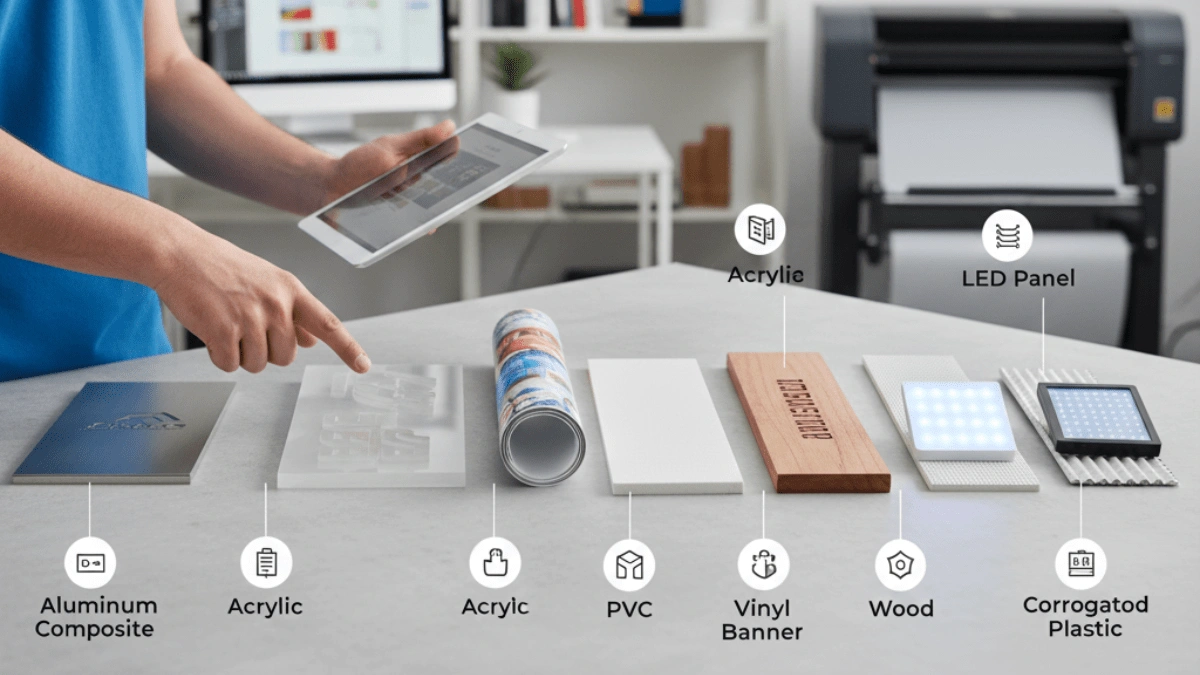
Signage materials are the base of every sign you see around you. From shop signs and billboards to indoor displays and event banners, the quality of the signage material decides how long the sign lasts, how it looks, and how well it performs. If you choose the wrong material, the sign can fade, crack, or fail much sooner than expected.
This complete buyer guide will help you understand what signage materials are, why they matter, and how to choose the right one for your needs. Whether you are a business owner, designer, printer, or installer, this guide will make things simple and clear.
What Is Signage Material?
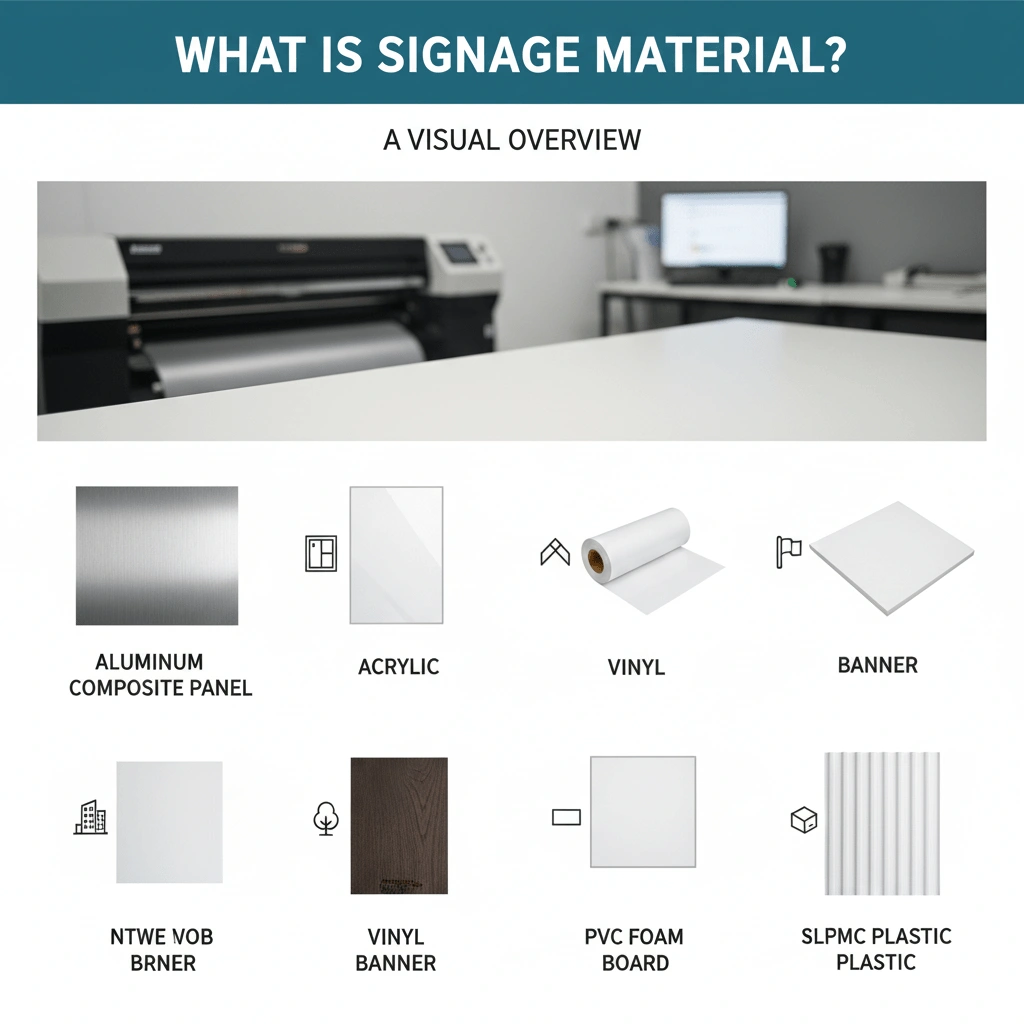
Signage material is the physical material used to create signs. It includes sheets, boards, banners, lighting components, and mounting parts that together form a sign. These materials can be used for indoor signs, outdoor signs, temporary displays, or long-term branding.
Signage materials are chosen based on:
- Location (indoor or outdoor)
- Weather conditions
- Lighting requirements
- Budget
- Design style
- Usage duration
The right signage material makes your sign look professional and keeps it working for years.
Why Signage Material Is Important
Many people focus only on design and ignore the material. This is a common mistake. Even the best design can fail if the material is weak or unsuitable.
Good signage materials:
- Improve brand image
- Last longer in harsh weather
- Hold colors better
- Support lighting properly
- Reduce maintenance costs
Poor materials often result in fading, bending, cracking, or lighting failure.
Types of Signage Materials
There are many types of signage materials. Each one is made for a specific purpose. Below are the most commonly used materials in the signage industry.
Acrylic Sheets
Acrylic sheets are one of the most popular signage materials. They are smooth, glossy, and give a premium look.
Key Features
- Clean and modern appearance
- Available in clear, colored, and frosted options
- Lightweight but strong
- Easy to cut and shape
Best Uses
- Indoor signs
- Reception signs
- Backlit signs
- Logo signs
- Office branding
Acrylic works very well with lighting and is often used with led strip lights to create glowing effects.
Aluminum Composite Panels (ACP)
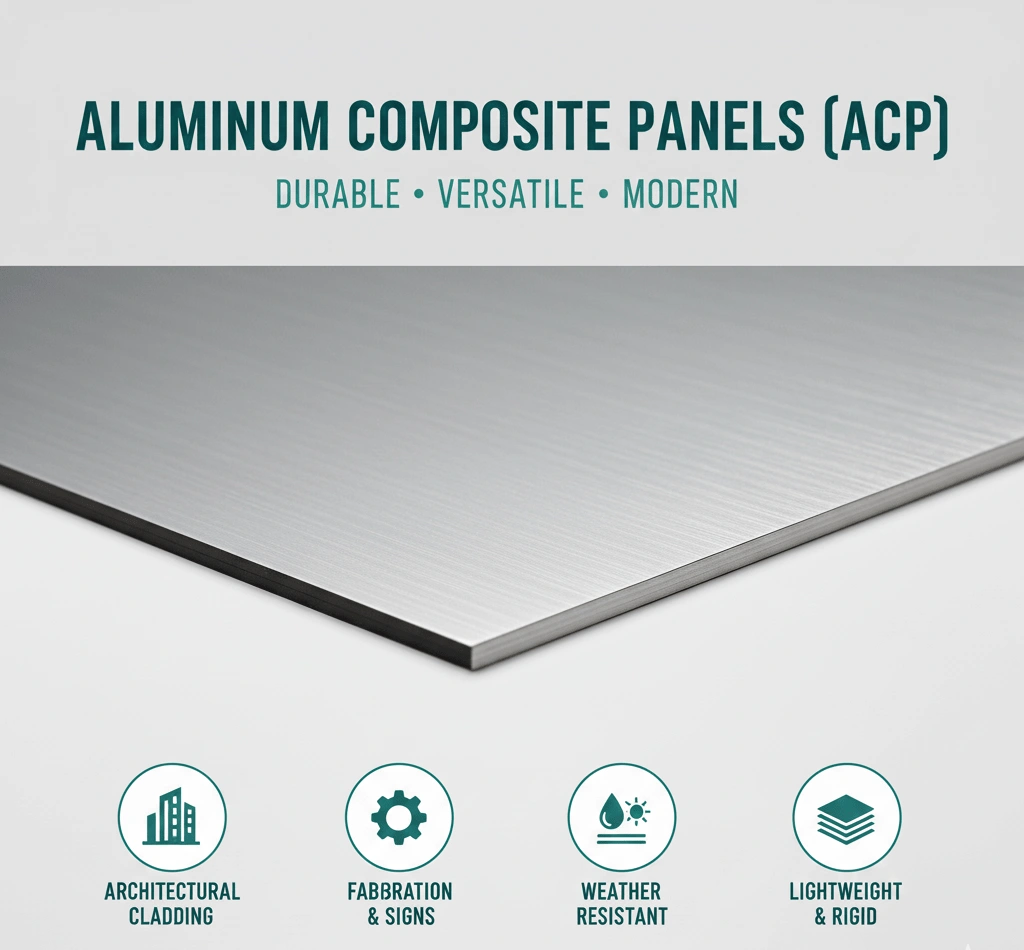
ACP sheets are made of two aluminum layers with a plastic core inside. They are strong and weather-resistant.
Key Features
- High durability
- Weatherproof
- Smooth surface
- Long life outdoors
Best Uses
- Outdoor sign boards
- Building signage
- Shop front signs
- Large format signs
ACP is a common choice for long-term outdoor signs where strength and stability are required.
PVC Foam Boards
PVC foam boards are lightweight boards with a smooth surface. They are easy to handle and cost-effective.
Key Features
- Lightweight
- Easy to print on
- Affordable
- Good for short to medium use
Best Uses
- Indoor signs
- Promotional boards
- Temporary signage
- Event displays
PVC boards are not ideal for harsh outdoor conditions but work well indoors.
Flex and Banner Materials
Flex materials are flexible sheets used for banners and large advertising signs.
Key Features
- Flexible and lightweight
- Can be rolled and stored easily
- Cost-effective
- Good print quality
Types
- Frontlit flex
- Backlit flex
- Blockout banners
Best Uses
- Billboards
- Outdoor advertising
- Events
- Promotions
Backlit flex is used when lighting is placed behind the banner for glowing visuals.
Vinyl Materials
Vinyl is a self-adhesive material used for surface graphics.
Key Features
- Strong adhesive
- Available in matte and glossy finishes
- Weather-resistant options available
- Easy to apply
Best Uses
- Wall graphics
- Window branding
- Vehicle wraps
- Floor graphics
Vinyl is commonly used along with printed designs for branding.
Fabric Signage
Fabric signage uses printed fabric instead of solid boards.
Key Features
- Lightweight
- Wrinkle-free options available
- Soft and premium look
- Easy to transport
Best Uses
- Exhibition displays
- Indoor banners
- Event backdrops
- Retail displays
Fabric signage is growing in popularity due to its clean appearance.
Lighting in Signage Materials
Lighting plays a major role in modern signage. A sign without proper lighting often goes unnoticed.
Common Lighting Types
- LED modules
- Neon alternatives
- Backlighting systems
- Edge lighting
Led strip lights are widely used because they are energy-efficient, bright, and flexible. They are used in channel letters, acrylic signs, and lightboxes.
Lighting also improves visibility for digital signage, making content easier to see day and night.
Indoor vs Outdoor Signage Materials
Choosing between indoor and outdoor materials is critical.
Indoor Materials
- Acrylic
- PVC foam boards
- Fabric
- Vinyl
These materials focus more on appearance than weather resistance.
Outdoor Materials
- ACP sheets
- Weatherproof flex
- Aluminum frames
- UV-resistant vinyl
Outdoor materials must handle sun, heat, dust, and rain.
How to Choose the Right Signage Material
Before buying signage material, ask yourself these questions:
- Where will the sign be placed?
- How long will it be used?
- Will it face sunlight or rain?
- Does it need lighting?
- What is the budget?
- Is portability required?
Your answers will guide you to the right material choice.
Signage Materials for Digital Displays
Modern businesses use digital signage to display ads, menus, and information. While screens are digital, the structure holding them still needs strong signage materials.
Materials used with digital signage include:
- Metal frames
- ACP back panels
- Acrylic covers
- LED lighting support systems
The quality of the material affects screen safety and long-term performance.
Durability and Lifespan
Different materials have different lifespans.
- Acrylic: 5–10 years indoors
- ACP: 7–15 years outdoors
- Flex banners: 6 months to 2 years
- Vinyl graphics: 1–5 years depending on quality
Choosing better materials reduces replacement costs.
Maintenance and Cleaning
Good signage materials are easy to clean and maintain.
Tips:
- Use soft cloths for acrylic
- Avoid harsh chemicals
- Clean outdoor signs regularly
- Check lighting connections
Low-maintenance materials save time and money.
Cost of Signage Materials
Prices depend on:
- Material type
- Thickness
- Size
- Finish
- Lighting requirements
Cheap materials may save money at first but often cost more in repairs or replacement.
Common Mistakes Buyers Make
- Choosing material based only on price
- Ignoring weather conditions
- Using indoor materials outdoors
- Poor lighting planning
- Not considering installation method
Avoiding these mistakes leads to better signage results.
Trends in Signage Materials
The signage industry keeps evolving. Current trends include:
- Energy-efficient lighting
- Lightweight materials
- Eco-friendly options
- Smart integration with digital signage
- Minimalist designs with hidden led strip lights
Staying updated helps your brand stand out.