

Blogs
Polycarbonate vs Acrylic Sheets: Which One Is Better?

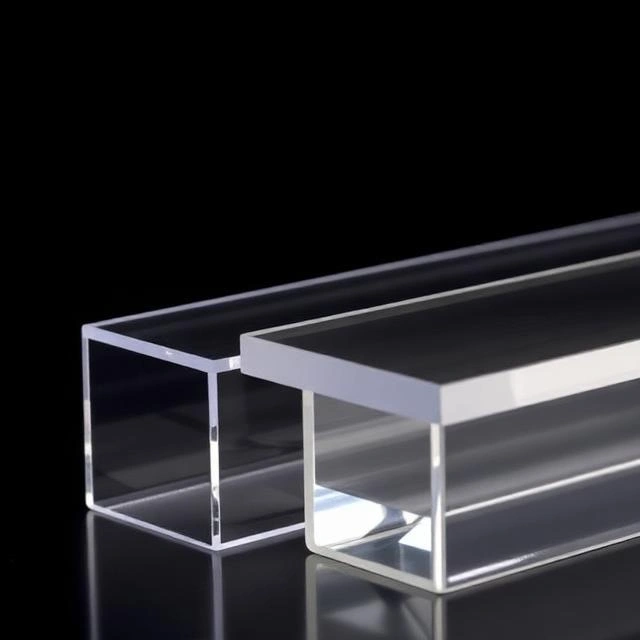
Choosing the right plastic sheet material is an important decision for construction projects, commercial signage, architectural glazing, retail displays, industrial fabrication, and interior design. Among the most commonly used transparent materials, polycarbonate and acrylic are often compared because they offer similar visual clarity while delivering very different performance characteristics. Although both materials are lightweight alternatives to glass, they differ in impact resistance, strength, flexibility, weather performance, fabrication methods, and long-term applications.
Across Dubai, Abu Dhabi, Sharjah, and the UAE, architects, contractors, sign manufacturers, interior designers, and fabricators regularly select these materials based on project requirements rather than appearance alone. Understanding how each material performs under different conditions helps businesses and homeowners make the right investment while improving durability, safety, and long-term value.
Whether the project involves roofing, skylights, safety barriers, machine guards, display cabinets, illuminated signage, retail fixtures, greenhouse panels, office partitions, or architectural features, selecting the appropriate material directly affects the final result.
Understanding Polycarbonate Sheets
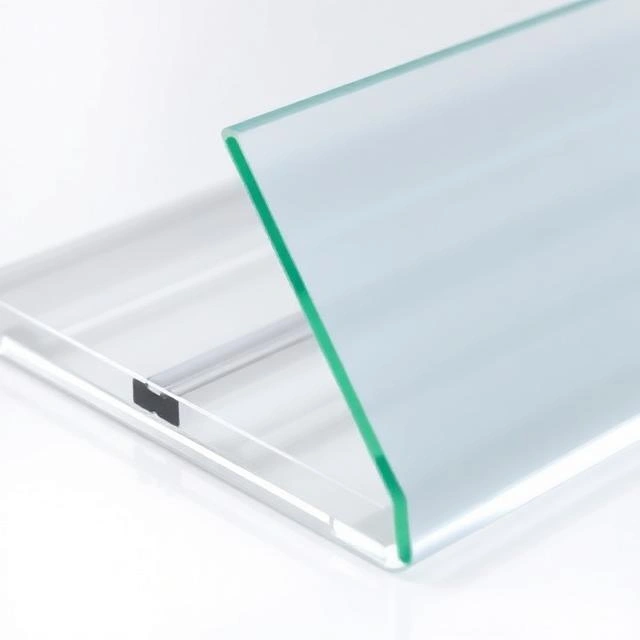
Polycarbonate is a high-performance engineering thermoplastic recognised for its exceptional impact resistance and structural strength. Unlike conventional plastic materials, polycarbonate can withstand heavy physical impact without shattering, making it one of the safest transparent sheet materials available for commercial and industrial applications.
Because of its outstanding durability, polycarbonate is widely used in security glazing, industrial safety guards, bus shelters, airport terminals, stadium roofing, hospitals, educational institutions, commercial buildings, warehouses, shopping malls, and manufacturing facilities. It also performs well in outdoor environments where high temperatures, UV exposure, and harsh weather conditions are common.
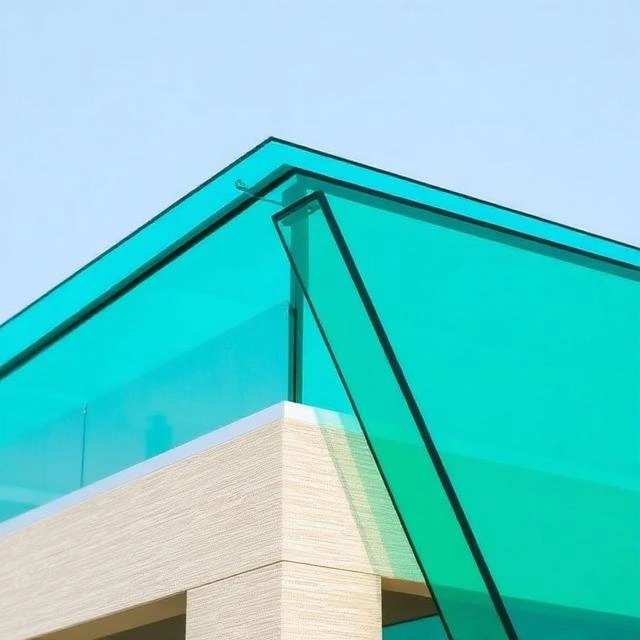
Builders throughout the UAE frequently specify polycarbonate for roofing systems, pergolas, skylights, covered walkways, canopies, warehouse lighting panels, and façade glazing because it combines lightweight construction with excellent structural performance.
Businesses searching for a reliable polycarbonate sheet supplier in Abu Dhabi should choose products that provide consistent thickness, UV protection, optical quality, and long-term weather resistance suitable for the demanding climate of the Middle East.
Understanding Acrylic Sheets
Acrylic, technically known as Polymethyl Methacrylate (PMMA), is another transparent thermoplastic that has become popular for signage, retail displays, interior decoration, furniture, exhibition stands, point-of-sale displays, and architectural applications. Acrylic is valued primarily for its excellent optical clarity, attractive surface finish, and ease of fabrication.
Many people mistakenly believe acrylic and polycarbonate perform the same, but their intended applications are quite different. Acrylic provides superior transparency and a glass-like appearance, making it ideal where appearance is more important than extreme impact resistance.
Retail stores, jewellery shops, cosmetic brands, museums, restaurants, hotels, corporate offices, and shopping centres frequently use acrylic for display cabinets, brochure holders, menu stands, illuminated letters, reception counters, shelving, protective covers, decorative panels, and interior signage because it creates a premium visual finish.
Companies looking for Acrylic sheets in affordable price can find various thicknesses, colours, textures, and finishes suitable for commercial fabrication, branding, and interior design without compromising appearance.
Material Composition and Manufacturing
Although both materials belong to the thermoplastic family, their chemical composition gives them very different mechanical properties.
Polycarbonate is manufactured using engineering-grade polymers that prioritise toughness, flexibility, and structural performance. Its molecular structure allows the sheet to absorb heavy impact while remaining intact, making it one of the safest transparent construction materials available.
Acrylic is manufactured using polymethyl methacrylate, a rigid plastic that produces exceptional light transmission and a glossy finish. While acrylic is considerably stronger than ordinary glass, it is less flexible than polycarbonate and is more likely to crack under severe impact.
This fundamental difference explains why engineers generally recommend polycarbonate for protective and structural applications, while designers often choose acrylic where appearance and optical quality are the primary considerations.
Optical Clarity and Appearance
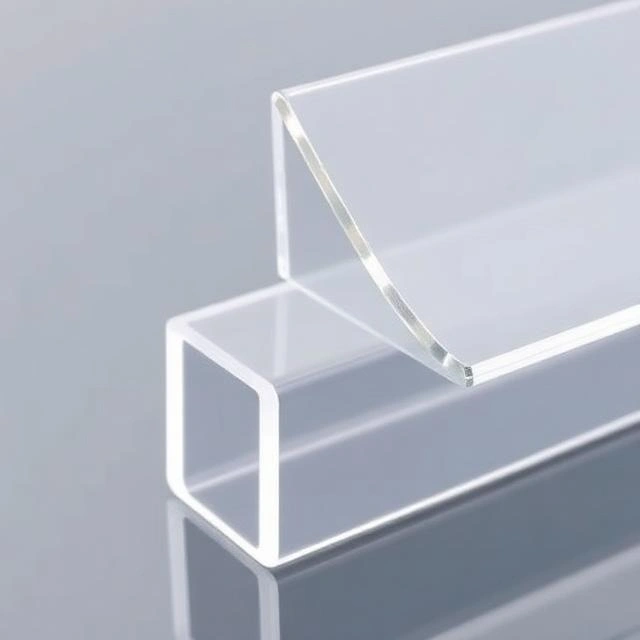
When comparing visual quality, acrylic generally provides higher optical clarity than polycarbonate. It allows excellent light transmission and produces a crystal-clear finish that closely resembles premium glass. This makes acrylic particularly suitable for luxury retail displays, museum showcases, architectural decoration, illuminated signage, cosmetic displays, and product presentation.
Polycarbonate also offers excellent transparency, but it has a slightly softer appearance compared to acrylic. In applications where maximum clarity is less important than safety and durability, this small difference becomes insignificant. For roofing systems, skylights, protective barriers, machine guards, sports facilities, and commercial glazing, structural performance usually outweighs the slight variation in optical quality.
Strength and Impact Resistance
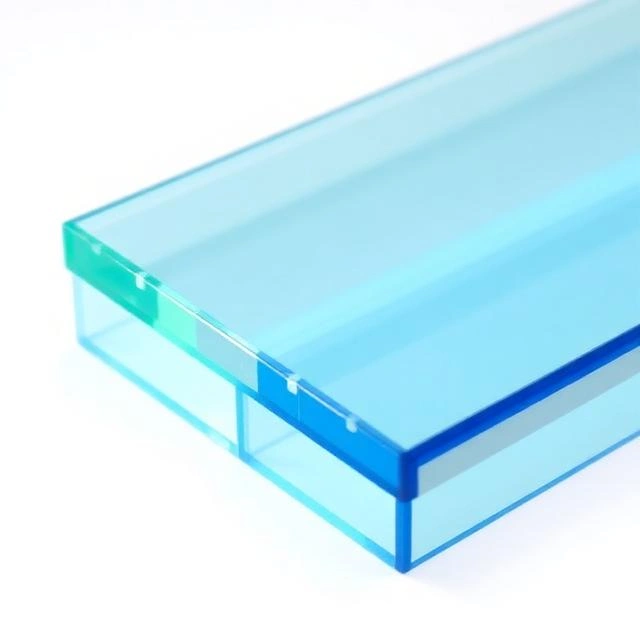
The biggest difference between polycarbonate and acrylic is their ability to withstand impact. While both materials are considerably stronger than traditional glass, polycarbonate is recognised as one of the toughest transparent engineering plastics available. It can absorb repeated impacts without cracking or shattering, making it suitable for environments where safety and durability are essential.
Polycarbonate is commonly installed in factories, warehouses, schools, airports, public buildings, sports facilities, machine guards, security barriers, protective glazing, and industrial enclosures because it offers excellent resistance to accidental damage. Its flexibility allows it to bend under pressure rather than break, reducing the risk of injury and costly replacements.
Acrylic is also much stronger than ordinary glass but has a more rigid structure. It performs exceptionally well in decorative and commercial applications but can crack or chip when subjected to heavy impact. For this reason, acrylic is generally recommended for display cabinets, retail shelving, illuminated signs, brochure holders, exhibition stands, cosmetic displays, and interior decorative panels where appearance is more important than structural protection.
For projects requiring maximum safety, polycarbonate remains the preferred choice because of its outstanding impact performance and long service life.
Weather Resistance and Outdoor Performance
Climate plays an important role when selecting transparent building materials. In regions such as Dubai, Abu Dhabi, Sharjah, and other parts of the UAE, construction materials are exposed to high temperatures, strong sunlight, dust, humidity, and occasional heavy rainfall. These environmental conditions require materials that maintain their strength and appearance over many years.
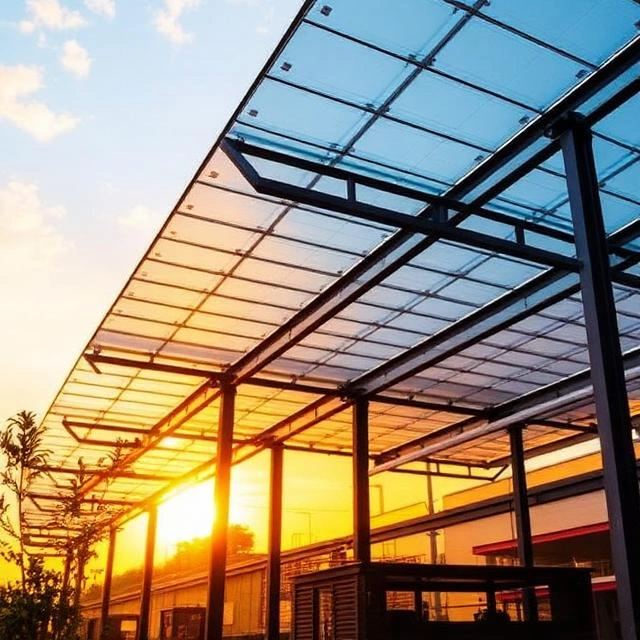
Polycarbonate sheets designed for outdoor use are manufactured with UV-protective coatings that help reduce yellowing and surface degradation caused by continuous exposure to sunlight. They are widely used for pergolas, skylights, covered walkways, greenhouse roofing, parking shades, bus shelters, sports facilities, and commercial roofing because they perform reliably in demanding climates.
Acrylic also offers good weather resistance and retains its clarity for many years when manufactured to high quality standards. It performs particularly well in outdoor signage, decorative architectural features, illuminated advertising, and retail branding where excellent appearance is required. However, in applications exposed to repeated impact or extreme environmental stress, polycarbonate generally provides greater long-term durability.
Heat Resistance and Thermal Performance
Both materials tolerate a wide range of temperatures, but polycarbonate performs better under demanding thermal conditions. Its higher heat resistance allows it to maintain structural stability in environments where temperature fluctuations are common. This makes it suitable for roofing systems, industrial buildings, manufacturing facilities, transportation infrastructure, and commercial construction projects.
Polycarbonate is frequently selected for warehouse skylights, covered entrances, stadium roofing, industrial safety screens, and factory enclosures because it maintains its performance under continuous sunlight and elevated temperatures.
Acrylic also performs well under normal outdoor conditions but is generally better suited to applications where appearance is the primary consideration rather than continuous structural loading or extreme heat exposure.
UV Protection and Light Transmission
Natural daylight is an important factor in many architectural and commercial projects. Both materials provide excellent light transmission, helping reduce the need for artificial lighting while creating bright and comfortable spaces.
Acrylic is well known for its exceptional optical clarity and can transmit more visible light than many other transparent materials. This makes it an excellent choice for display cases, museum showcases, interior partitions, illuminated signs, decorative glazing, and retail environments where visual presentation is important.
Polycarbonate provides high light transmission while adding superior impact resistance. Modern UV-protected sheets are designed to filter harmful ultraviolet rays while allowing natural daylight to pass through efficiently. This combination makes polycarbonate particularly suitable for greenhouses, conservatories, roof glazing, pergolas, atriums, shopping centres, and commercial canopies.
Fabrication and Manufacturing
Both materials can be fabricated into a wide variety of custom products, although their machining characteristics differ.
Acrylic is easier to laser cut because it produces smooth, polished edges that often require very little finishing. It is also suitable for CNC routing, engraving, polishing, flame finishing, bending, bonding, and thermoforming. These characteristics make acrylic a favourite material for sign manufacturers, retail fixture fabricators, exhibition contractors, and interior designers.
Polycarbonate can also be cut, drilled, routed, bent, and thermoformed, but it is generally machined using CNC equipment instead of laser cutting. Because of its toughness, it requires different fabrication techniques to achieve clean edges and accurate results. Professional fabrication ensures that polycarbonate maintains its structural integrity while meeting precise project specifications.
Both materials support custom manufacturing for commercial signage, architectural features, display systems, protective barriers, machine guards, and industrial components. The choice depends on whether the project prioritises appearance, impact resistance, or structural performance.
Common Applications Across Different Industries
The choice between polycarbonate and acrylic often depends on where the material will be used. Although both materials are versatile, each performs better in specific environments.
Polycarbonate is widely used in the construction, industrial, and transportation sectors because of its exceptional strength. It is commonly installed in skylights, pergolas, covered walkways, bus shelters, warehouse roofing, stadium canopies, machine guards, security glazing, greenhouse panels, safety barriers, noise barriers, and industrial enclosures. Its ability to resist heavy impact makes it suitable for locations where public safety and long-term durability are priorities.
Acrylic is more commonly found in retail, hospitality, advertising, and interior design projects. Shopping malls, jewellery stores, cosmetic brands, restaurants, hotels, museums, corporate offices, and exhibition centres use acrylic for display cabinets, illuminated letters, menu holders, brochure stands, reception counters, decorative partitions, shelving, furniture, and point-of-sale displays. Its crystal-clear finish creates an elegant appearance that enhances product presentation and interior spaces.
Selecting the right material depends on balancing appearance, strength, and the conditions in which the finished product will operate.
Scratch Resistance and Surface Finish
Scratch resistance is another important consideration, especially for products that are frequently cleaned or handled by customers.
Acrylic naturally has a harder surface than polycarbonate, making it more resistant to light scratches during everyday use. This is one reason why acrylic is preferred for display cases, retail fixtures, museum showcases, and decorative panels where maintaining a flawless appearance is important.
Polycarbonate has a softer surface and can develop scratches more easily if cleaned with abrasive materials. However, many commercial-grade polycarbonate sheets are available with hard-coated surfaces that significantly improve scratch resistance and extend their service life in demanding environments.
Using appropriate cleaning methods and non-abrasive materials helps maintain the appearance of both materials for many years.
Weight and Installation
Both materials are considerably lighter than traditional glass, making transportation, fabrication, and installation easier. Their reduced weight lowers structural loads while simplifying handling during construction and manufacturing.
Polycarbonate offers an excellent combination of lightweight construction and high strength, making it suitable for large roofing systems, skylights, industrial glazing, protective screens, and commercial canopies where structural performance is critical.
Acrylic is also lightweight and easy to install, making it popular for indoor displays, signage, furniture, and decorative architectural features. Because it is easier to machine and polish, fabrication costs for visually demanding projects are often lower.
For contractors and fabricators, the reduced weight of both materials contributes to faster installation, lower transportation costs, and improved site efficiency.
Cost Comparison
Price is often an important factor when choosing between these materials. In general, acrylic is more economical than polycarbonate, making it an attractive option for projects where exceptional impact resistance is not required.
Polycarbonate typically costs more because of its engineering-grade properties, superior strength, and higher resistance to impact and heat. Although the initial investment may be higher, its durability often reduces replacement and maintenance costs over the lifetime of the installation.
Rather than focusing only on purchase price, businesses should evaluate the total cost of ownership, including fabrication, installation, maintenance, expected lifespan, and performance under real operating conditions.
For decorative displays, retail branding, and interior applications, acrylic often provides excellent value. For structural glazing, roofing, safety barriers, and industrial projects, polycarbonate usually offers the better long-term investment.
Maintenance and Cleaning
Both materials require relatively little maintenance when cleaned correctly. A soft microfiber cloth and a mild cleaning solution are generally sufficient to remove dust, fingerprints, and everyday dirt.
Harsh chemicals, abrasive cleaners, and rough scrubbing pads should be avoided because they may damage the surface or reduce optical clarity over time. Regular cleaning not only preserves appearance but also extends the service life of the material.
Periodic inspection of roofing panels, canopies, glazing systems, and outdoor installations also helps identify any damage before it affects overall performance.
Which Material Should You Choose?
There is no single material that is better for every application. The correct choice depends entirely on the project’s technical requirements.
If the project demands maximum impact resistance, safety, weather durability, and structural performance, polycarbonate is the preferred solution. It is the material of choice for roofing systems, skylights, protective glazing, industrial applications, sports facilities, transportation infrastructure, and commercial construction.
If visual clarity, premium appearance, ease of fabrication, and cost efficiency are the primary considerations, acrylic is often the better option. It delivers outstanding results for retail displays, illuminated signage, decorative interiors, exhibition stands, product showcases, office partitions, hospitality projects, and commercial branding.
Understanding these differences allows architects, contractors, designers, and business owners to select the material that best matches their functional requirements, budget, and long-term performance expectations.
Conclusion
Polycarbonate and acrylic have become two of the most important transparent materials used in modern architecture, signage, interior design, manufacturing, and commercial construction. Although they share many similarities, they are engineered for different purposes.
Polycarbonate stands out for its exceptional strength, impact resistance, weather performance, and safety, making it ideal for demanding structural and industrial applications. Acrylic excels in optical clarity, elegant appearance, ease of fabrication, and affordability, making it the preferred choice for retail, hospitality, advertising, and decorative projects.
By carefully considering factors such as application, durability, appearance, fabrication requirements, environmental conditions, and budget, businesses can select the most suitable material for long-term performance. Whether developing commercial buildings, retail stores, exhibition displays, architectural features, or signage projects across Dubai, Abu Dhabi, Sharjah, and the wider UAE, choosing the right transparent sheet material ensures better results, improved reliability, and greater value throughout the life of the project.