

Blogs
Top Benefits of Aluminium Composite Panels for Commercial Buildings

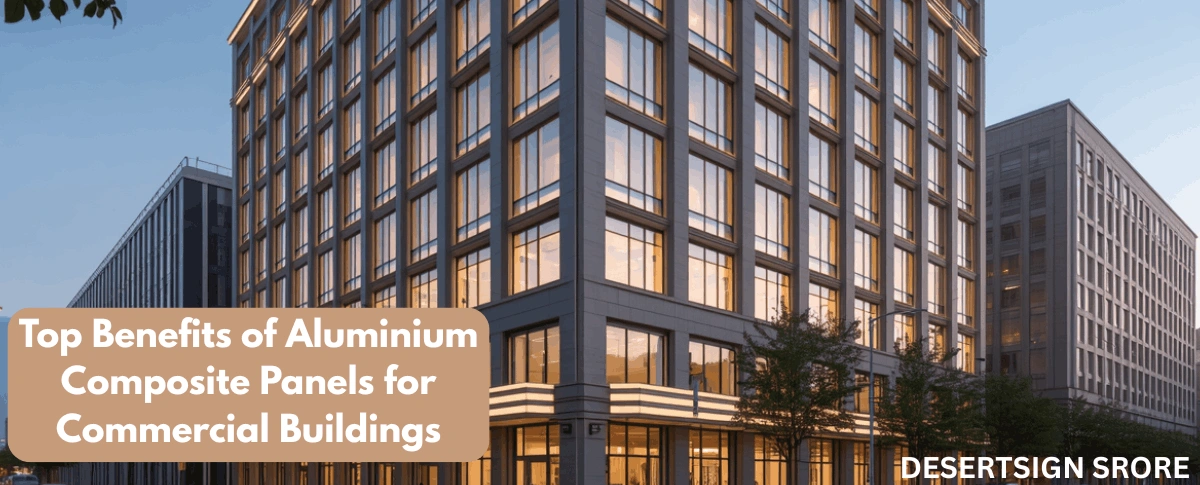
Why Aluminium Composite Panels Are Transforming Modern Commercial Architecture
Commercial buildings are no longer designed only to provide functional spaces for businesses. Today, every office tower, shopping mall, hotel, hospital, educational institution, airport, and corporate headquarters is expected to combine architectural excellence with durability, sustainability, energy efficiency, and long-term value. The exterior façade plays a critical role in achieving these objectives because it is the first element people notice and the primary barrier protecting the building against environmental conditions. Among the many façade materials available today, Aluminium Composite Panels (ACP) have become one of the most trusted and widely specified solutions for commercial construction across the UAE.
From the iconic skyline of Downtown Dubai to the business districts of Business Bay and Dubai International Financial Centre (DIFC), Aluminium Composite Panels have become an integral part of contemporary architecture. They are equally common in Dubai Marina, Jumeirah Lake Towers (JLT), Palm Jumeirah, Dubai Hills Estate, Dubai South, Abu Dhabi, Sharjah, and other rapidly growing commercial centres throughout the region. Their popularity is driven by a combination of modern aesthetics, exceptional weather resistance, lightweight construction, structural flexibility, and outstanding long-term performance.
Unlike traditional exterior finishes that often require regular maintenance and frequent repainting, ACP systems are engineered to withstand harsh climatic conditions while maintaining their appearance for many years. They allow architects to create visually striking buildings without compromising structural integrity or increasing maintenance costs. As commercial developments continue expanding throughout the Middle East, Aluminium Composite Panels remain one of the most reliable façade solutions for modern construction.
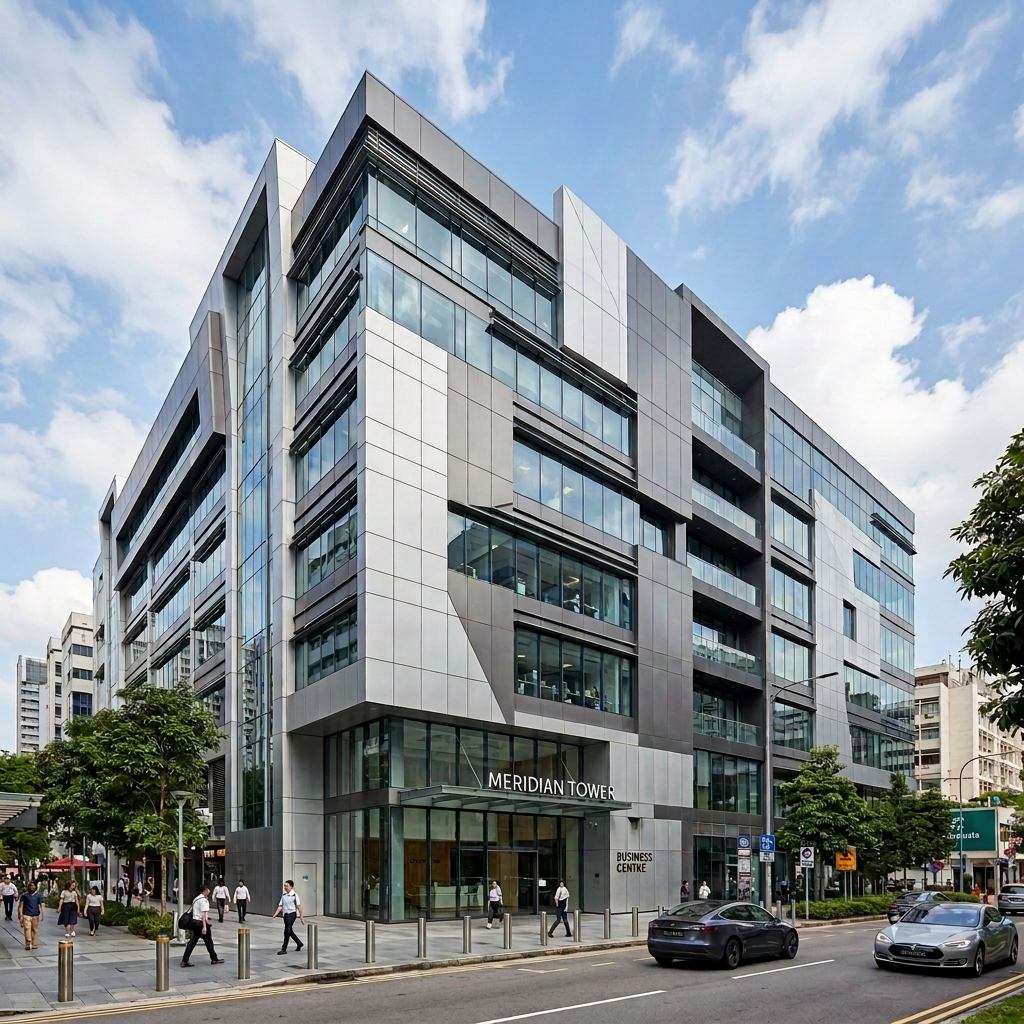
Understanding Aluminium Composite Panels and Their Construction
Aluminium Composite Panels, commonly known as ACP or ACM (Aluminium Composite Material), are advanced composite building materials manufactured by permanently bonding two thin aluminium sheets to a specially engineered core. The core material may consist of polyethylene, fire-retardant mineral-filled compounds, or non-combustible materials depending on the safety and performance requirements of the project.
The aluminium surfaces are protected using high-performance architectural coatings such as Polyvinylidene Fluoride (PVDF), Fluoroethylene Vinyl Ether (FEVE), or premium polyester finishes. These coatings provide exceptional resistance against ultraviolet radiation, moisture, corrosion, airborne pollutants, and environmental ageing while maintaining excellent colour stability throughout the lifespan of the building.
An ACP façade is more than just decorative panels fixed onto a wall. It forms part of an engineered rainscreen cladding system consisting of aluminium support brackets, structural framing, ventilation cavities, expansion joints, waterproof sealants, thermal insulation, fixing systems, and carefully designed drainage pathways. Together these components protect the structural wall from moisture penetration, thermal stress, and environmental exposure while improving the overall performance of the building envelope.
This sophisticated construction explains why Aluminium Composite Panels have become the preferred façade material for commercial offices, retail developments, hospitals, hotels, educational campuses, exhibition centres, airports, industrial facilities, and mixed-use developments across the UAE.
Superior Performance in the UAE’s Challenging Climate
One of the greatest advantages of Aluminium Composite Panels is their ability to perform reliably in some of the world’s most demanding environmental conditions. The climate of Dubai presents unique challenges for exterior construction materials. Buildings are continuously exposed to extreme temperatures that frequently exceed 45 degrees Celsius during summer, intense ultraviolet radiation, airborne desert sand, coastal humidity, sudden rainfall, and significant daily thermal movement caused by repeated heating and cooling cycles.
These conditions accelerate the deterioration of conventional building finishes. Exterior paint gradually fades, concrete develops surface cracks, natural stone may become stained, and metal components without proper protection can suffer corrosion. Aluminium Composite Panels are specifically engineered to resist these environmental pressures while maintaining both structural performance and visual appearance.
Premium PVDF-coated ACP panels provide exceptional resistance against ultraviolet degradation, ensuring colours remain vibrant even after prolonged exposure to direct sunlight. The aluminium surfaces naturally resist corrosion because they develop a stable oxide layer that protects the underlying metal from environmental attack. This characteristic makes ACP particularly suitable for commercial developments located near coastal environments such as Dubai Marina, Palm Jumeirah, Bluewaters Island, Jumeirah Beach Residence, and waterfront projects where salt-laden air significantly increases corrosion risks.
Thermal expansion is another important consideration in commercial façade engineering. Every building experiences movement as temperatures change throughout the day. Aluminium Composite Panels are designed to accommodate these movements through carefully engineered fixing systems and expansion joints, reducing stress on the façade while maintaining a smooth and visually consistent exterior. This flexibility helps prevent cracking, distortion, and premature failure, allowing buildings to maintain their architectural appearance for decades.
Enhancing Modern Architectural Design
Architecture has become an important part of corporate identity. Commercial buildings are expected to communicate innovation, professionalism, and quality through their exterior appearance. Aluminium Composite Panels provide architects with remarkable creative freedom because they can be fabricated into complex shapes without sacrificing strength or durability.
Using advanced CNC routing, folding, bending, perforation, and precision fabrication technologies, ACP panels can be transformed into curved façades, architectural fins, feature walls, entrance canopies, column cladding, decorative screens, signage systems, and custom-designed architectural elements. These fabrication capabilities enable designers to create unique building identities while maintaining consistency across large commercial developments.
Aluminium Composite Panels are available in an extensive range of architectural finishes, including metallic colours, brushed aluminium, mirror finishes, woodgrain textures, natural stone effects, marble appearances, copper finishes, titanium coatings, anodised effects, and custom corporate colours. This variety allows commercial property owners to match their façade with brand identity while creating buildings that remain visually attractive for many years.
Large developments in Downtown Dubai, Business Bay, Dubai Creek Harbour, Expo City Dubai, DIFC, and Dubai Design District frequently utilise ACP cladding because it offers the flexibility required for contemporary architecture while meeting demanding engineering requirements. Hotels use ACP to create elegant entrance façades, shopping centres employ decorative cladding to enhance customer experience, hospitals benefit from durable hygienic surfaces, and corporate headquarters achieve modern architectural expression through carefully designed ACP systems.
Lightweight Construction with Exceptional Structural Efficiency
One of the most significant engineering advantages of Aluminium Composite Panels is their lightweight construction. Compared with natural stone cladding, precast concrete panels, or solid aluminium sheets, ACP offers an excellent strength-to-weight ratio that reduces structural loads on the building.
Lower façade weight decreases the demand placed on the structural framework, allowing engineers greater flexibility during design while potentially reducing overall construction costs. Lightweight materials are also easier to transport, handle, fabricate, and install, improving construction efficiency and reducing project timelines.
For high-rise commercial developments throughout Dubai, Abu Dhabi, and Sharjah, reducing façade weight contributes to improved structural performance while simplifying installation at significant heights. This combination of strength and lightweight performance has made Aluminium Composite Panels one of the most practical façade materials for modern commercial construction.
Fire Safety and Modern ACP Technology
Fire safety has become one of the most important considerations when selecting façade materials for commercial buildings. Advances in manufacturing technology have significantly improved the fire performance of Aluminium Composite Panels, making them suitable for a wide range of applications when specified according to project requirements and local regulations.
Modern ACP systems are available with different core materials depending on building classification and fire safety requirements. Fire-retardant (FR) panels contain mineral-filled cores that significantly reduce combustibility compared with conventional polyethylene cores. For projects requiring even higher levels of fire performance, manufacturers also produce A2-rated non-combustible aluminium composite materials designed for high-rise buildings and critical infrastructure.
Across the UAE, façade systems must comply with applicable building regulations and fire safety requirements. Architects, consultants, and contractors carefully evaluate project specifications before selecting appropriate ACP products to ensure the completed façade satisfies performance expectations while complying with relevant standards.
When combined with correctly designed support systems, fire barriers, cavity barriers, expansion joints, and approved installation practices, modern ACP façades provide both architectural excellence and reliable long-term safety.
Faster Installation Means Reduced Project Timelines
Construction schedules play a significant role in commercial development. Delays increase project costs, postpone business operations, and affect investment returns. One reason Aluminium Composite Panels have become so popular among developers is their relatively fast installation compared with many traditional façade materials.
ACP panels are precision fabricated before arriving on site, allowing installation teams to assemble façade systems efficiently using engineered fixing methods. Their lightweight nature makes transportation and handling considerably easier than heavier cladding materials such as stone or precast concrete.
Because fabrication is completed under controlled factory conditions, dimensional accuracy remains consistent throughout the project. This improves installation quality while reducing the need for extensive on-site adjustments. Faster installation also means less disruption for refurbishment projects where commercial buildings remain partially occupied during façade upgrades.
Developments across Dubai South, Jebel Ali Free Zone, Dubai Silicon Oasis, Dubai Internet City, and Abu Dhabi’s expanding commercial districts increasingly utilise ACP systems because construction efficiency has become an important competitive advantage in delivering projects on time.
Low Maintenance Throughout the Building Lifecycle
Every commercial property owner considers maintenance costs when selecting construction materials. Although the initial installation cost is important, the total lifecycle cost of maintaining a building often has a much greater financial impact over several decades.
Aluminium Composite Panels are recognised for their low maintenance requirements. Their smooth coated surfaces resist dirt accumulation, airborne pollutants, moisture, and ultraviolet degradation far better than many conventional exterior finishes. Routine cleaning with appropriate methods is generally sufficient to maintain the appearance of the façade, allowing commercial buildings to retain a professional image without frequent repainting or major restoration work.
For office buildings, shopping centres, hotels, healthcare facilities, universities, airports, and corporate headquarters, maintaining an attractive exterior contributes directly to brand image and customer perception. A well-maintained façade communicates quality, professionalism, and long-term investment in the property.
Developers seeking reliable products for major commercial projects often work closely with an experienced Aluminium Composite Panels Supplier who can provide certified materials, technical advice, engineering support, and façade solutions specifically designed for the demanding environmental conditions found throughout Dubai and the wider UAE.
Excellent Resistance to Corrosion and Environmental Pollution
Commercial buildings located in major urban centres are continuously exposed to pollution, dust, humidity, and airborne contaminants that gradually affect exterior finishes. Buildings near busy highways, ports, airports, and industrial areas experience even greater environmental exposure.
One of the significant advantages of Aluminium Composite Panels is their excellent corrosion resistance. Aluminium naturally develops a thin oxide layer that protects the underlying metal from corrosion. Combined with advanced PVDF coatings, this protective characteristic enables ACP panels to withstand coastal environments where salt-laden air would rapidly damage many conventional construction materials.
Commercial developments located near Dubai Marina, Port Rashid, Palm Jumeirah, Jebel Ali Port, Abu Dhabi Corniche, and Sharjah Waterfront particularly benefit from corrosion-resistant façade systems because coastal humidity and salt exposure accelerate deterioration in unprotected materials.
Airborne desert sand presents another challenge unique to the UAE. Fine sand particles carried by seasonal winds can gradually wear exterior surfaces. Premium architectural coatings applied to ACP panels provide excellent resistance against abrasion while maintaining colour consistency and surface quality.
Because the panels resist moisture penetration, corrosion, staining, and environmental pollutants, commercial buildings retain their professional appearance for much longer periods compared with traditional painted façades.
Supporting Modern Façade Engineering
Building façades today are far more sophisticated than simple external walls. Modern commercial developments require integrated façade systems capable of managing structural movement, moisture control, thermal insulation, ventilation, acoustic performance, and long-term durability simultaneously.
Aluminium Composite Panels play a central role in advanced façade engineering because they integrate effectively with curtain wall systems, structural glazing, insulated wall assemblies, architectural louvres, aluminium windows, and other building envelope components.
Engineers carefully design ACP support systems using aluminium brackets, subframes, fixing clips, expansion joints, and ventilated cavities that accommodate building movement while maintaining structural stability. These systems also allow moisture that enters the cavity to drain safely away from the structural wall, reducing the risk of long-term water damage.
This rainscreen principle has become one of the most widely accepted façade engineering methods because it separates weather protection from structural performance. Instead of relying solely on the outer cladding to create a waterproof barrier, the ventilated cavity helps manage moisture while improving thermal efficiency and extending the lifespan of the façade.
For high-rise developments across Dubai Creek Harbour, Business Bay, DIFC, and Downtown Dubai, professionally engineered ACP systems contribute significantly to overall building performance.
Cost Effectiveness Over the Entire Building Lifecycle
Initial construction costs are only one part of the financial equation for commercial property owners. A more important consideration is the total cost of ownership throughout the life of the building.
Aluminium Composite Panels provide exceptional long-term value because they combine durability, low maintenance, energy efficiency, and extended service life. Buildings finished with ACP systems generally require fewer repairs, less frequent repainting, and reduced façade maintenance compared with many conventional exterior finishes.
Their lightweight construction can also reduce structural demands during the design phase, potentially lowering costs associated with supporting frameworks and installation. Faster installation times help minimise labour expenses and allow commercial projects to reach completion more efficiently.
For investors, developers, and property management companies responsible for multiple commercial assets, reducing maintenance expenditure while preserving building appearance offers significant financial advantages. A façade that remains attractive and performs reliably for many years contributes directly to higher property values, improved tenant satisfaction, and lower operational costs.
Furthermore, durable building exteriors help minimise business disruption caused by extensive façade repair projects, allowing commercial activities to continue with minimal interruption.