

Brand
 DSDS 2
- K-JETK-JET 1


- Request a quote
Reach out to us today and get expert guidance for all your signage and printing requirements.
Photoluminescent Film: The Complete Guide to Glow-in-the-Dark Safety Signage
Photoluminescent Film is a specialised safety material designed to absorb ambient light and emit a bright glow in dark or low-light environments. Widely used in emergency exits, fire escape routes, stairwells, industrial facilities, commercial buildings, hospitals, airports, and public infrastructure, photoluminescent films improve visibility during power failures and emergency evacuations. Unlike electrically illuminated signs, these films require no external power source, making them an energy-efficient and highly reliable safety solution.
As building safety standards continue to evolve, glow-in-the-dark safety signage has become an essential component of emergency preparedness. Photoluminescent films help occupants quickly identify escape routes, emergency exits, and hazard markings when conventional lighting systems fail.
What Is Photoluminescent Film?
Photoluminescent Film is a self-adhesive vinyl or PVC material coated with strontium aluminate pigments, which absorb natural or artificial light and release stored energy as visible light after the surrounding environment becomes dark.
Unlike fluorescent materials that require continuous illumination, photoluminescent films continue glowing for hours after charging. Modern yellow-green photoluminescent technology delivers superior brightness, longer afterglow performance, and greater visibility compared to older phosphorescent materials.
The film can be printed using UV, screen, and digital printing methods, allowing businesses to produce customised emergency signage, directional graphics, safety labels, and compliance markings.
Key Features of Photoluminescent Film
Professional photoluminescent films offer exceptional performance for safety applications.
Key features include:
- Long-lasting glow after light exposure
- Bright yellow-green luminescence
- No electricity required
- Energy-efficient emergency signage
- High-quality self-adhesive backing
- Excellent indoor durability
- UV and screen printable surface
- Easy installation on smooth surfaces
- Moisture and chemical resistance
- Low maintenance requirements
These features make photoluminescent films one of the most dependable emergency safety materials available.
How Photoluminescent Technology Works
Photoluminescent films absorb energy from daylight, LED lighting, fluorescent lighting, or other artificial light sources throughout the day.
When darkness occurs, the stored energy is gradually released as visible light, creating a bright glowing effect that improves visibility during emergencies. High-performance strontium aluminate pigments provide significantly longer glow durations and greater brightness than traditional zinc sulphide materials.
This passive illumination system ensures emergency signage remains functional even during complete electrical power failures.
Common Applications
Photoluminescent films are widely used across commercial, industrial, and public facilities.
Emergency Exit Signage
Emergency exits and evacuation routes use glow-in-the-dark films to guide building occupants safely during blackouts, fire emergencies, and other evacuation situations.
Stairways and Corridors
Glow films are applied to stair nosings, handrails, wall markings, and floor guidance systems to improve navigation when normal lighting is unavailable.
Industrial Facilities
Factories, warehouses, manufacturing plants, and logistics centres install photoluminescent safety signs for hazard identification, equipment labelling, and emergency escape guidance.
Commercial Buildings
Shopping malls, hotels, office buildings, hospitals, schools, universities, and airports use luminous films to enhance emergency preparedness while complying with international safety standards.
Marine and Transportation
Ships, railway stations, airports, tunnels, and public transport systems utilise photoluminescent signage to improve passenger safety during emergency evacuations.
Benefits of Photoluminescent Film
Businesses and facility managers choose photoluminescent films because they provide numerous operational advantages.
Key benefits include:
- Operates without electricity
- Improves emergency evacuation
- Supports workplace safety
- Reduces maintenance costs
- Long operational lifespan
- Easy installation
- Excellent visibility in darkness
- Environmentally friendly operation
- Suitable for numerous surfaces
- Cost-effective safety solution
These advantages help organisations improve occupant safety while reducing operating expenses.
Printing Compatibility
Professional photoluminescent films support several commercial printing technologies.
Compatible methods include:
- UV printing
- Screen printing
- Digital printing
These technologies enable custom safety graphics, directional arrows, emergency symbols, hazard labels, and branded safety signage while maintaining the film's glowing properties.
Choosing the Right Photoluminescent Film
Selecting the correct photoluminescent film depends on glow duration, installation environment, compliance requirements, and intended application.
Higher-performance films provide brighter illumination and extended afterglow periods for commercial buildings, industrial facilities, and public infrastructure where emergency visibility is critical.
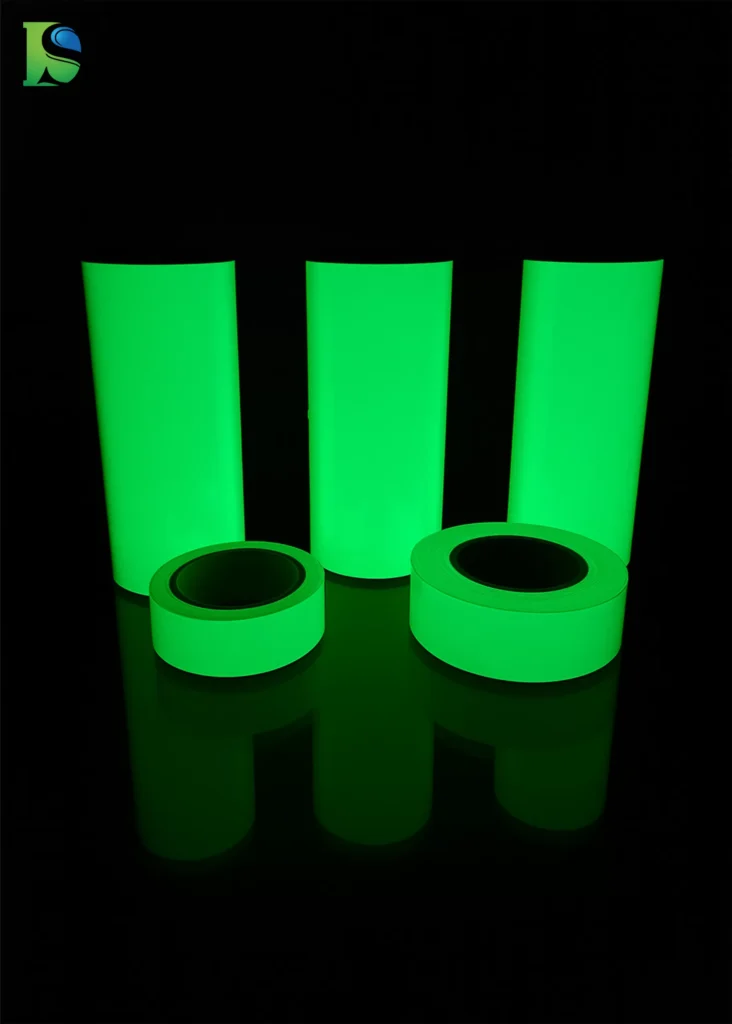
For reliable emergency signage with extended glow performance, our Photoluminescent Film Yellow-Green (2h) 1.24×45.7 offers bright illumination, durable construction, and dependable performance for emergency exits, stairways, and safety guidance systems.
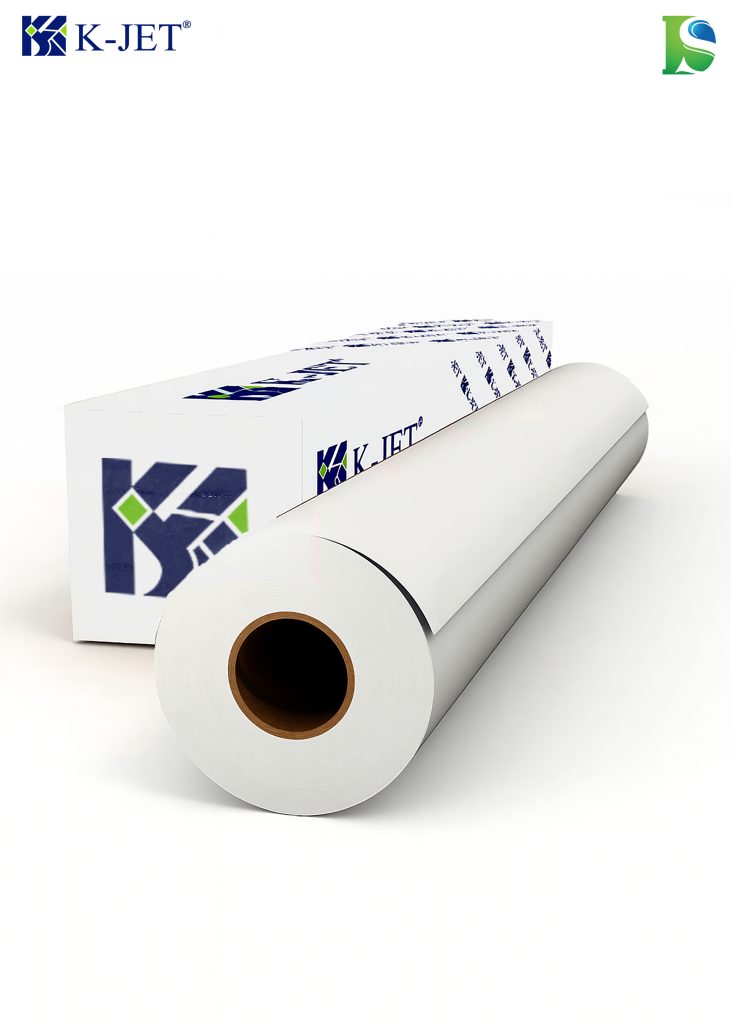
If your project also includes portable promotional displays or exhibition graphics, explore our 3500 Roll Up Media Whiteback, which provides a professional print surface for high-quality indoor advertising and display applications.
Indoor Performance and Durability
Photoluminescent films are primarily designed for indoor use where they remain protected from prolonged outdoor weather exposure.
Installed on walls, floors, doors, staircases, and safety equipment, these films resist moisture, cleaning chemicals, and normal wear while maintaining excellent glow performance. Proper installation on clean, smooth surfaces helps maximise adhesion and service life.
Routine exposure to standard indoor lighting is sufficient to recharge most high-quality photoluminescent films.
Sustainability and Energy Efficiency
One of the greatest advantages of photoluminescent technology is its energy efficiency.
Because the film stores and releases light naturally, it requires no electrical wiring, batteries, or ongoing power consumption. This reduces operating costs while supporting environmentally responsible building management practices.
The long lifespan of modern photoluminescent materials also minimises replacement frequency, reducing maintenance requirements and material waste over time.
Industries That Use Photoluminescent Film
Photoluminescent films are widely used across numerous industries, including:
- Hospitals
- Airports
- Railway stations
- Shopping malls
- Hotels
- Office buildings
- Schools and universities
- Manufacturing facilities
- Warehouses
- Industrial plants
- Fire safety contractors
- Construction companies
- Property developers
- Government buildings
- Public infrastructure projects
These sectors depend on reliable emergency signage to improve occupant safety and support compliance with fire and building safety regulations.
Choosing the Right Photoluminescent Film Supplier
Working with a trusted supplier ensures consistent glow performance, durable adhesive quality, reliable print compatibility, and products manufactured to recognised safety standards.
A reputable supplier should offer multiple glow durations, printable film options, technical guidance, and dependable product availability. Choosing high-quality photoluminescent materials helps organisations create effective emergency signage systems that perform reliably when they are needed most.
Conclusion
Photoluminescent Film is an essential safety material for modern buildings, industrial facilities, transportation hubs, and public spaces. Its ability to absorb light and emit a bright glow without electricity provides dependable guidance during emergencies, improving evacuation efficiency and occupant safety.
Whether used for emergency exits, fire escape routes, stair markings, or safety identification, high-quality photoluminescent films deliver long-lasting performance, energy efficiency, and reliable visibility that supports safer environments for employees, visitors, and the public.